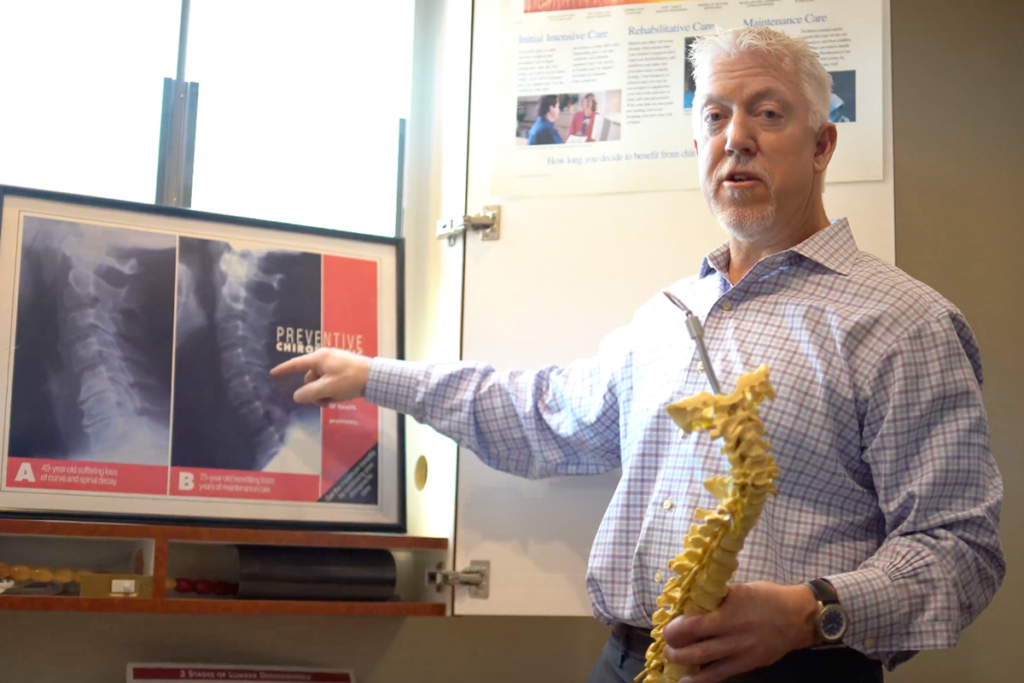

If you’ve ever woken up with a sharp, shooting pain down your arm or a strange tingling sensation in your leg, you already know how disruptive a pinched nerve can be. What many people don’t realize is that the way you sleep — the position your body holds for six to eight hours every night — can either protect your nervous system or put it under serious strain. Here at Arsenault Family Chiropractic Center in North Hampton, NH, we hear about sleep-related nerve pain all the time, and it’s one of the most common yet overlooked triggers we see in practice. If you’re prone to pinched nerves, understanding which sleeping positions to avoid could make a tremendous difference in how you feel every morning.
What exactly is a pinched nerve?
A pinched nerve (also called nerve compression or radiculopathy) occurs when surrounding tissues — such as bones, cartilage, muscles, or tendons — apply too much pressure to a nerve. This pressure disrupts the nerve’s normal function, causing pain, tingling, numbness, or weakness that can radiate through the affected area. Sleep positions that place sustained mechanical load on the spine or joints can worsen existing compression or create new episodes entirely.
- Why Sleep Position Matters for Nerve Health
- Sleeping Positions to Avoid If You’re Prone to Pinched Nerves
- Common Causes of Sleep-Related Nerve Compression
- How Chiropractic Care at Arsenault Family Chiropractic Center Can Help
- Practical Tips for Better Sleep with Nerve Sensitivity
- When to See a Chiropractor
- Sleeping Position Comparison: Impact on Nerve Health
- Myths vs. Facts About Sleep and Pinched Nerves
- Final Thoughts from Arsenault Family Chiropractic Center
- Frequently Asked Questions
- TL;DR Summary
Why Sleep Position Matters for Nerve Health
Your spine is the central highway for your entire nervous system. Every nerve that travels to your arms, legs, hands, and feet originates from the spinal cord, which is protected by the vertebrae of your spine. When you sleep, you spend hours in a largely static position. That means any misalignment, awkward curve, or sustained joint compression gets amplified over time in a way that a brief posture during your waking hours simply wouldn’t.
Think about it this way: if you held your arm at an uncomfortable angle for thirty seconds, you’d barely notice. But hold it that way for seven hours while you’re unconscious and unable to shift? That’s a recipe for real nerve irritation. Research in the field of musculoskeletal health consistently points to sleep quality and sleep posture as meaningful factors in spinal pain syndromes. When nerves are already sensitized — whether from a cervical disc issue, lumbar stenosis, carpal tunnel syndrome, or another condition — the wrong sleeping position can extend inflammation and delay recovery significantly.
Here in North Hampton, NH, patients who visit Arsenault Family Chiropractic Center often arrive wondering why they feel worse in the morning than they did before going to bed. Many times, the answer lives in their pillow arrangement or the habitual position they drift into once they fall asleep.
Sleeping Positions to Avoid If You’re Prone to Pinched Nerves
Not all sleeping positions are created equal when it comes to nerve health. Some are significantly more problematic than others, particularly if you already have a history of nerve compression, disc issues, or structural imbalances in your spine. Here are the positions that Dr. Mark Arsenault most commonly advises patients to reconsider.
Sleeping on Your Stomach (Prone Position)
Stomach sleeping is widely considered the most problematic position for spinal health, and it’s especially concerning if you’re prone to pinched nerves. When you lie face-down, you’re forced to rotate your head fully to one side just to breathe. This sustained rotation places a tremendous amount of stress on the cervical vertebrae — the bones of your neck — and can compress the nerve roots that exit that region. For someone with existing cervical radiculopathy (a pinched nerve in the neck), stomach sleeping can actively aggravate the condition night after night.
Beyond the neck, lying on your stomach also flattens the natural lumbar curve of your lower back, or worse, causes it to hyperextend. This changes the spacing between your lumbar vertebrae and can increase pressure on the nerves of the lower spine. If you experience sciatica, numbness in your legs, or lower back pain that radiates, sleeping on your stomach may be contributing to your symptoms far more than you realize.
Sleeping in a Fetal Position (Curled Too Tightly)
Side sleeping is generally considered safe and even beneficial for spinal alignment — but only when done correctly. A tightly curled fetal position, where the knees are drawn up high toward the chest and the body is hunched forward, can round the lumbar spine excessively. This flexed posture compresses the intervertebral discs and can narrow the spaces through which spinal nerves exit. For those with lumbar disc herniations or foraminal stenosis (narrowing of the nerve exit pathways), this position can provoke significant discomfort.
Additionally, a tightly curled position often causes the shoulders to roll forward, which can compress the nerves of the brachial plexus — the network of nerves supplying the arm, forearm, and hand. Patients experiencing tingling or numbness in their fingers often unknowingly worsen these symptoms by curling up too tightly at night.
Sleeping with Your Arm Under Your Head or Body
This is a common habit that many people don’t even recognize as problematic. Tucking one arm underneath your pillow or your own body weight places direct, sustained compression on the nerves and blood vessels of the arm. This can lead to the “dead arm” sensation people often experience, but for those already prone to pinched nerves, it can transition from a temporary annoyance to a persistent nerve issue. Ulnar nerve compression at the elbow and median nerve compression at the wrist are both commonly aggravated by arm-under-body sleeping habits.
Sleeping with Your Head Propped at an Extreme Angle
Pillow height matters enormously. If your pillow is too thick, too flat, or you’re stacking multiple pillows, you risk pushing your neck into extreme flexion or extension throughout the night. Excessive neck flexion (chin toward chest) increases pressure on the posterior structures of the cervical spine. Excessive neck extension (chin tilted upward) can compress the posterior elements of the vertebrae and the nerve roots exiting from the back of the neck. Neither extreme is kind to a nervous system that’s already under strain.
Common Causes of Sleep-Related Nerve Compression
Understanding why sleep worsens nerve compression helps demystify the morning pain many patients experience. During sleep, the body has reduced circulation compared to waking hours of movement. Nerves that are already under mechanical pressure receive even less of the oxygen and nutrients they need to recover, which is why sleeping in the wrong position can amplify nerve symptoms rather than allow healing to occur.
Pre-existing spinal conditions are a major contributing factor. Cervical disc herniations, lumbar disc bulges, bone spurs, degenerative changes in the facet joints, and spondylolisthesis (when one vertebra shifts over another) all create environments where nerves are already vulnerable. Layering a poor sleeping position on top of these conditions can be the tipping point for a full-blown nerve flare. Muscle tension also plays a role — tight muscles around the spine during sleep can act as additional compressive forces on sensitive nerve tissue.
How Chiropractic Care at Arsenault Family Chiropractic Center Can Help
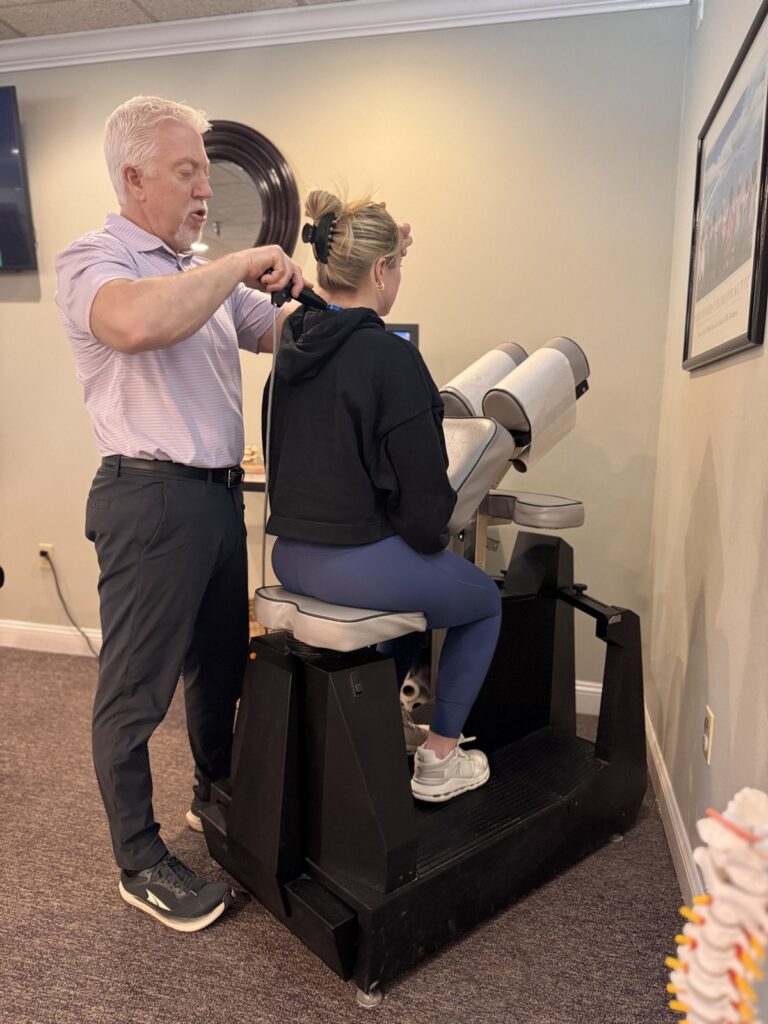
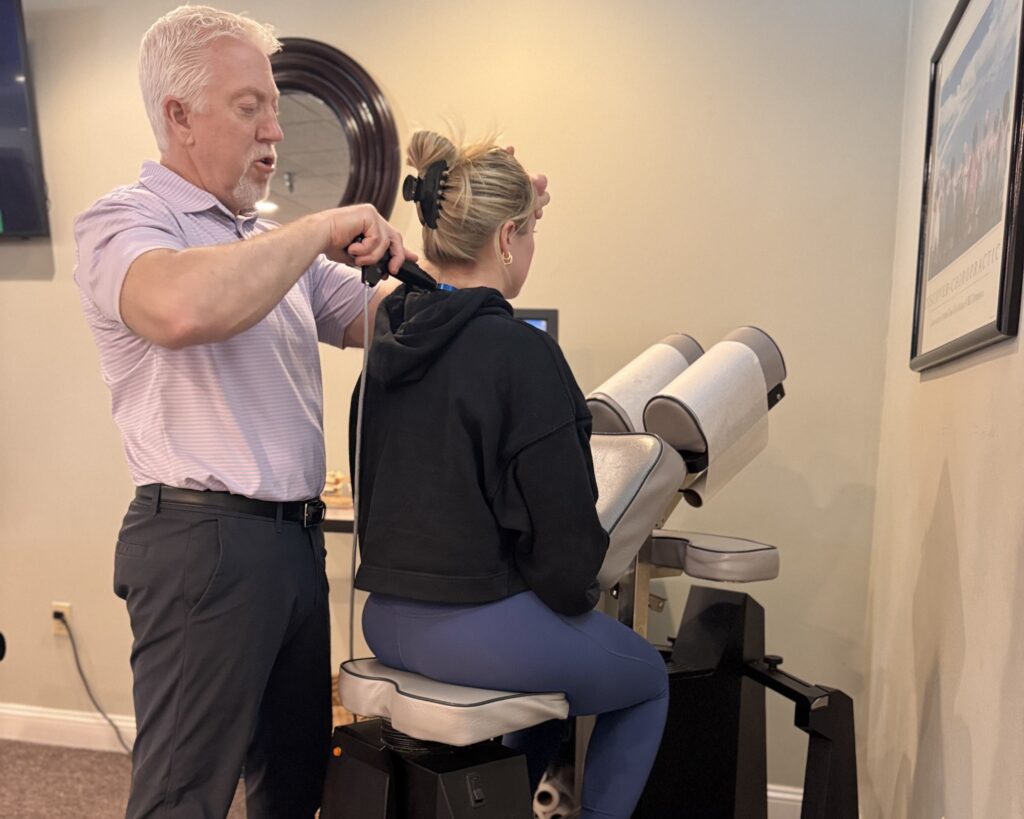
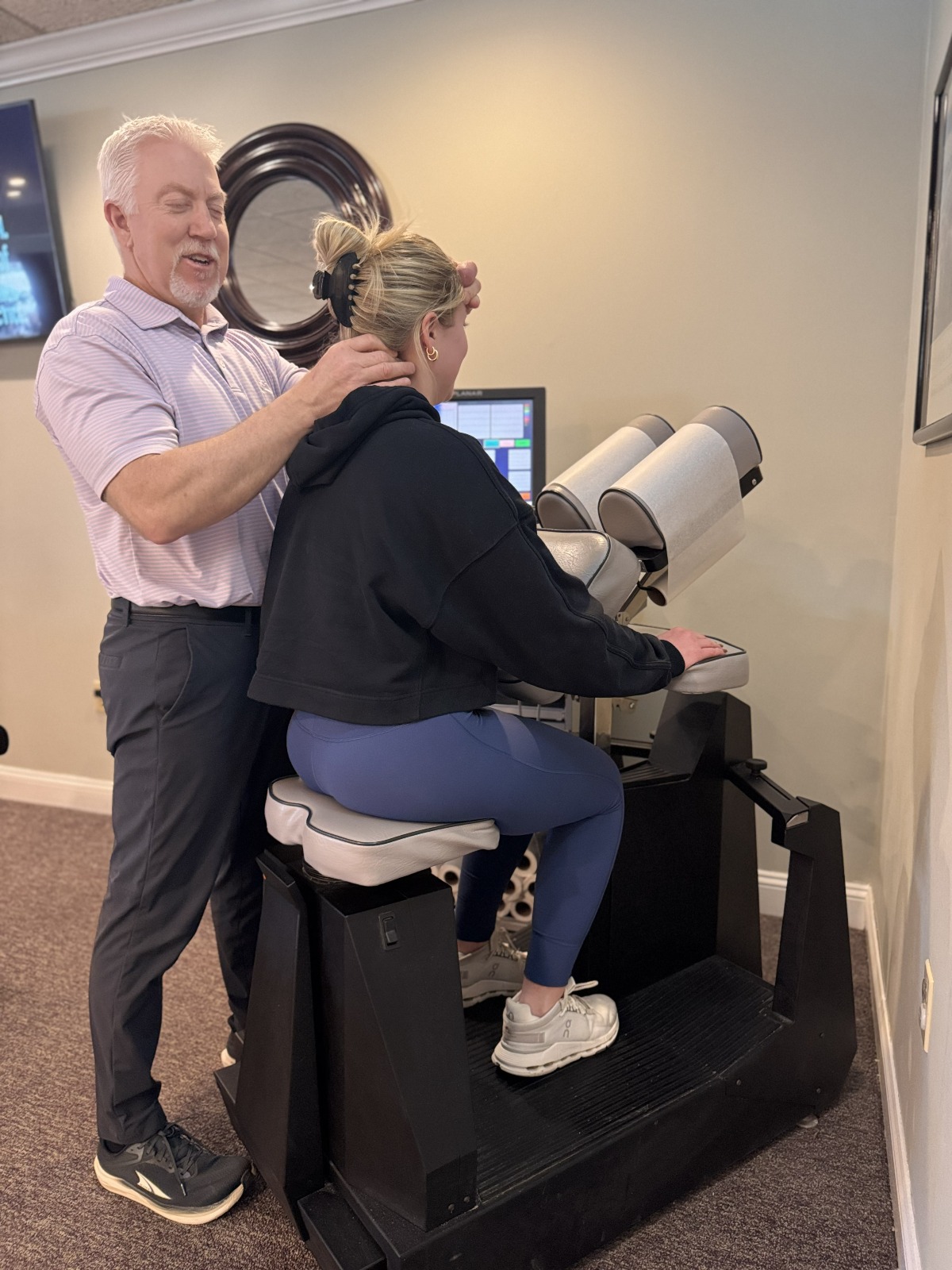
Chiropractic care takes a conservative, drug-free, non-surgical approach to addressing the underlying structural contributors to pinched nerves. Dr. Mark Arsenault works with patients to evaluate spinal alignment, joint mobility, and the biomechanical factors that may be contributing to nerve irritation. By identifying where restricted movement or misalignment exists in the spine, chiropractic adjustments can help restore proper joint mechanics, reduce pressure on surrounding nerve tissue, and improve the body’s ability to recover.
At Arsenault Family Chiropractic Center in North Hampton, NH, care is individualized. No two patients present with the same combination of postural habits, spinal history, and lifestyle factors. Dr. Mark Arsenault takes the time to understand each patient’s full picture before recommending a care approach. In addition to spinal adjustments, guidance on sleep posture, ergonomics, and supporting exercises is often woven into the overall plan so that patients have practical tools to use at home between visits.
Evidence from organizations like the American Chiropractic Association and research published through the National Center for Complementary and Integrative Health (NCCIH) suggests that chiropractic manipulation can be an effective conservative option for managing symptoms related to spinal nerve compression. While results vary from person to person, many patients find meaningful relief through consistent, targeted chiropractic care combined with lifestyle modifications like improving sleep position.
Practical Tips for Better Sleep with Nerve Sensitivity
Changing your sleep position is not always easy — many people have deeply ingrained habits that took decades to form. But even small adjustments can create meaningful differences in how your nervous system tolerates a night of rest. Here are some evidence-informed suggestions that Dr. Mark Arsenault often shares with patients at our North Hampton practice.
Transitioning to a back-sleeping position is often the most spine-friendly option for people prone to pinched nerves. Placing a pillow or rolled towel beneath your knees when lying on your back helps maintain the natural lumbar curve and takes pressure off the lower spinal nerves. A cervical-supportive pillow that keeps the neck in a neutral alignment — not too flexed and not too extended — is equally important for protecting the nerves of the upper spine.
If you prefer side sleeping, the key is keeping the spine long rather than curled. Place a pillow between your knees to keep the hips stacked evenly and reduce rotational stress on the lumbar spine. Make sure your head pillow is the right height to keep the neck level with the rest of your spine. Avoid tucking your lower arm under your pillow or your head, and keep your top arm resting naturally rather than folded across your body in ways that compress the shoulder or elbow.
Be mindful of your mattress as well. A mattress that is too soft can allow the heavier parts of your body — the hips and shoulders — to sink in ways that create spinal curvature. A mattress that is too firm can create pressure points. A medium-firm surface is generally considered supportive for spinal health, though individual needs vary and it’s worth discussing your specific situation with a care professional.
When to See a Chiropractor
If you’re waking up with nerve pain, numbness, tingling, or radiating discomfort on a regular basis, it’s worth getting a professional evaluation sooner rather than later. Nerve symptoms that persist for more than a few days — especially those that are worsening or affecting your ability to function during the day — are a signal that your body needs attention. Chiropractic care is particularly well-suited for musculoskeletal nerve compression that hasn’t responded to rest or simple home measures.
There are certain symptoms that warrant immediate medical attention rather than a chiropractic visit. These include loss of bladder or bowel control, severe and sudden weakness in a limb, significant neurological changes, or intense pain following trauma. These are red flags for serious spinal conditions that require urgent medical evaluation. For the vast majority of patients experiencing sleep-related nerve discomfort, however, chiropractic care is a safe, appropriate, and conservative first step worth exploring.
Sleeping Position Comparison: Impact on Nerve Health
| Sleeping Position | Spinal Impact | Nerve Risk Level | Recommended Modification |
|---|---|---|---|
| Stomach sleeping | Cervical rotation, lumbar hyperextension | High | Avoid; transition to back or side sleeping |
| Tight fetal position | Lumbar flexion, shoulder rounding | Moderate to High | Straighten slightly; add pillow between knees |
| Side sleeping (neutral) | Minimal when aligned correctly | Low to Moderate | Pillow between knees; neutral neck position |
| Back sleeping (neutral) | Most supportive of natural spinal curves | Low | Pillow under knees; cervical support pillow |
| Arm under head/body | Peripheral nerve compression at arm/elbow | Moderate to High | Keep arms free; avoid tucking beneath body |
| Head propped at extreme angle | Cervical flexion or extension overload | Moderate | Adjust pillow height to maintain neutral neck |
Myths vs. Facts About Sleep and Pinched Nerves
Myth: A firmer mattress always equals better spinal support.
Fact: While a mattress that is too soft can allow the spine to fall into poor alignment, an excessively firm mattress can create uncomfortable pressure points that lead to muscle guarding and additional spinal stress. Research generally supports a medium-firm mattress for most people dealing with back and spinal nerve issues, though individual needs vary based on body weight, shape, and the specific condition present.
Myth: If you wake up with nerve pain, it was caused by your sleeping position alone.
Fact: Sleep position is often a contributing factor, but it rarely acts in isolation. Underlying spinal conditions, muscle tension, inflammation, and cumulative postural habits throughout the day all interact with sleep position to produce nerve symptoms. A thorough evaluation is needed to understand the full picture.
Myth: Once you develop a pinched nerve, nothing can help besides surgery or medication.
Fact: The majority of pinched nerve cases resolve or improve significantly with conservative care. Organizations like the American College of Physicians (ACP) recommend non-invasive approaches as first-line care for most spinal pain conditions. Chiropractic care, combined with lifestyle modifications and appropriate movement, is considered a well-supported conservative treatment option.
Myth: Sleeping more will give your pinched nerve more time to heal.
Fact: Sleep itself is restorative, but only when the body is in a position that isn’t perpetuating the compression. Extra hours in a harmful sleep position can actually slow down nerve recovery. Quality of sleep posture matters more than quantity of sleep time when nerves are involved.
Myth: Tingling and numbness during sleep is just a circulation issue and nothing to worry about.
Fact: While temporary tingling from a compressed blood vessel can happen, recurrent or persistent numbness and tingling — especially in a specific pattern following a nerve path — is more likely to indicate nerve compression rather than simple circulatory changes. Recurring symptoms are worth evaluating professionally.
Final Thoughts from Arsenault Family Chiropractic Center
Sleep should be one of your most powerful tools for healing and recovery — not a nightly event that sets your nervous system back. If you’ve been waking up with pain, tingling, numbness, or stiffness that just won’t quit, your sleep position deserves a serious look. Small, consistent changes to how you rest can have a genuinely meaningful impact on your nerve health over time.
At Arsenault Family Chiropractic Center in North Hampton, NH, Dr. Mark Arsenault and the care team are here to help patients in our community find real, lasting relief from nerve-related discomfort without relying on medications or invasive procedures. We take the time to listen, evaluate thoroughly, and create a plan that makes sense for your life and your body. Whether you’re dealing with a long-standing pinched nerve or just starting to notice new symptoms, you don’t have to figure it out alone. The North Hampton community has trusted us with their spinal health, and we take that trust seriously. Reach out to Arsenault Family Chiropractic Center — we’d be glad to help you wake up feeling better tomorrow than you did today.
Frequently Asked Questions
Can your sleeping position actually cause a pinched nerve?
Yes, sustained pressure from an awkward sleeping position can compress nerve tissue over hours and either trigger or worsen a pinched nerve. While sleep position rarely causes a pinched nerve in an otherwise healthy spine, it can be a significant aggravating factor when underlying spinal conditions are present. Getting a professional evaluation can help identify the root causes at play.
Is it safe to use a cervical pillow if I have a pinched nerve in my neck?
Many people with cervical nerve irritation find that a contoured cervical pillow — designed to support the natural curve of the neck — provides more comfortable, supportive rest than a standard pillow. However, the ideal pillow height and firmness can vary by individual, so it’s worth discussing with Dr. Mark Arsenault or your care provider before making a change.
How long does it take for a sleep-aggravated pinched nerve to improve?
Recovery timelines vary widely depending on the severity of nerve compression, how long it has been present, the individual’s overall health, and whether the underlying cause is being addressed. Many people notice improvement within a few weeks of correcting sleep habits and beginning appropriate conservative care, though more complex cases may take longer.
Should I stop all physical activity if I have a pinched nerve?
Complete rest is not typically recommended for pinched nerves. Gentle, guided movement is generally more beneficial than prolonged rest, as movement encourages circulation and reduces stiffness that can further irritate nerve tissue. Dr. Mark Arsenault can help identify which movements and activities are appropriate for your specific condition.
Can chiropractic care help with nerve pain that started after sleeping wrong?
Chiropractic care can be a highly appropriate conservative option for nerve pain related to spinal joint restrictions or misalignment that are contributing to compression. The chiropractors at Arsenault Family Chiropractic Center evaluate the spine to identify mechanical contributors and use targeted adjustments to help restore proper joint function and reduce nerve irritation.
Are there sleeping positions that are safe for sciatica?
Back sleeping with a pillow placed under the knees is generally considered one of the most sciatica-friendly positions because it reduces lumbar spine pressure and helps maintain a neutral pelvic position. Side sleeping with a pillow between the knees can also be comfortable for many sciatica sufferers. Stomach sleeping is best avoided, as it tends to aggravate lumbar nerve compression.
TL;DR Summary
- Sleeping positions that place sustained pressure on the spine — especially stomach sleeping and tightly curled fetal positions — can worsen or trigger pinched nerve symptoms overnight.
- Back sleeping with knee support and neutral-alignment side sleeping are generally the most nerve-friendly positions for those prone to nerve compression.
- Pillow height, mattress support, and arm positioning all play meaningful roles in how the nervous system tolerates sleep.
- Chiropractic care from Dr. Mark Arsenault at Arsenault Family Chiropractic Center in North Hampton, NH offers a conservative, drug-free approach to identifying and addressing the spinal contributors to nerve pain.
- Persistent or worsening nerve symptoms — including tingling, numbness, or radiating pain — deserve a professional evaluation rather than a wait-and-see approach.