
If you’ve ever experienced lower back pain, you know how much it can affect your daily life. Simple tasks like bending over to tie your shoes, sitting through a work meeting, or even getting a good night’s sleep can become challenging. Lower back pain is one of the most common reasons people seek healthcare, and here in North Hampton, NH, many patients walk through the doors of Arsenault Family Chiropractic Center looking for relief. The good news is that chiropractic care offers a natural, non-invasive approach that has helped countless people find lasting comfort and improved function.
Lower back pain doesn’t have to control your life. Understanding what causes it, how chiropractic adjustments work, and what you can do to support your recovery can empower you to take meaningful steps toward feeling better. In this article, we’ll explore the benefits of chiropractic adjustments for lower back pain, explain the science behind this conservative care approach, and provide practical guidance you can use starting today.
What are chiropractic adjustments for lower back pain? Chiropractic adjustments, also called spinal manipulations, are hands-on treatments where a chiropractor applies controlled force to joints in the spine that have restricted movement. These adjustments aim to restore proper motion, reduce nerve interference, improve function, and decrease pain naturally without drugs or surgery.
Table of Contents
- Understanding Lower Back Pain
- Common Causes of Lower Back Pain
- How Chiropractic Adjustments Work
- Key Benefits of Chiropractic Care for Lower Back Pain
- What to Expect During Chiropractic Care
- Practical Tips to Support Your Recovery
- When to See a Chiropractor for Lower Back Pain
- Myths vs. Facts About Chiropractic Care
- Final Thoughts
Understanding Lower Back Pain
Lower back pain affects approximately 80% of adults at some point in their lives. It can range from a dull, constant ache to a sudden, sharp sensation that makes movement difficult. The lower back, or lumbar spine, consists of five vertebrae that support most of your body’s weight and allow for a wide range of motion. This area is particularly vulnerable to strain and injury because it bears significant mechanical stress during everyday activities.
The pain you feel may originate from muscles, ligaments, joints, discs, or nerves in the lumbar region. Sometimes the discomfort is localized to one spot. Other times it radiates down into the buttocks or legs, a condition often associated with nerve irritation. Understanding that lower back pain has many possible sources is the first step toward finding the right solution.
Most cases of lower back pain are mechanical in nature, meaning they stem from the way the spine moves and functions rather than from serious diseases. This is encouraging because mechanical problems often respond well to conservative care approaches like chiropractic adjustments. The key is addressing the underlying dysfunction rather than simply masking symptoms.
Common Causes of Lower Back Pain
Lower back pain rarely appears out of nowhere. Usually, it develops gradually due to accumulated stress, poor movement patterns, or sudden overload. Here in North Hampton and the surrounding Seacoast region, Dr. Arsenault and the team at Arsenault Family Chiropractic Center see patients with lower back pain from a variety of causes.
One of the most common culprits is poor posture. Sitting for long hours at a desk, slouching while looking at your phone, or standing with improper alignment can place uneven stress on your lumbar spine. Over time, this leads to muscle imbalances, joint restrictions, and eventually pain. Many people don’t realize how much their daily habits contribute to their discomfort.
Repetitive lifting, bending, or twisting motions can also strain the lower back. Whether you’re a tradesperson, a busy parent lifting children, or someone who exercises without proper form, these movements can irritate spinal structures. Even seemingly minor actions like reaching for something in the back seat of your car can trigger pain if your spine isn’t moving optimally.
Injuries from accidents or falls are another frequent cause. A sudden impact can damage soft tissues or displace vertebrae, creating immediate or delayed pain. Sometimes an old injury never fully healed, leaving you more vulnerable to future episodes. Other times, degenerative changes like arthritis develop gradually as part of the aging process, leading to stiffness and discomfort.
Stress and emotional tension shouldn’t be overlooked either. When you’re under stress, your muscles tighten protectively. Chronic muscle tension in the lower back can create a cycle of pain and restricted movement. Addressing both the physical and lifestyle factors is essential for lasting relief.
How Chiropractic Adjustments Work
Chiropractic adjustments work by restoring proper motion and alignment to spinal joints. When vertebrae in your lower back become restricted or misaligned—often called subluxations in chiropractic terminology—they can interfere with normal biomechanics and nerve function. This creates inflammation, muscle guarding, and pain signals that your brain interprets as discomfort.
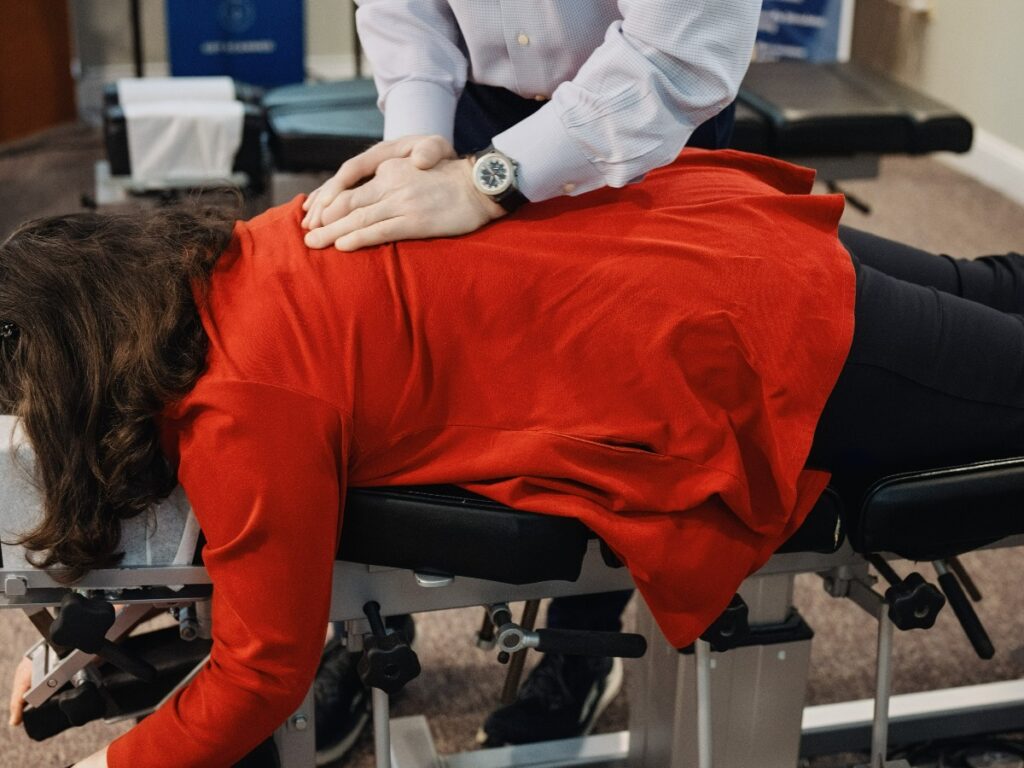
During an adjustment, a chiropractor like Dr. Arsenault applies a precise, controlled force to a specific joint. This force is typically quick and targeted, often producing an audible “pop” or “crack.” That sound isn’t bones breaking or grinding; it’s simply gas bubbles releasing from the joint fluid, similar to cracking your knuckles. The adjustment itself aims to restore the joint’s natural range of motion and proper positioning.
When spinal joints move better, several beneficial things happen. First, the mechanical stress on surrounding muscles and ligaments decreases, allowing them to relax. Second, improved joint motion can reduce irritation to nearby nerves, which may decrease pain signals traveling to the brain. Third, better spinal function supports overall posture and movement efficiency, reducing the likelihood of future problems.
Chiropractic care also recognizes the importance of the nervous system. Your spine houses and protects the spinal cord, which serves as the main communication highway between your brain and body. When spinal joints function properly, nerve communication flows more freely. This can positively influence not just pain levels but also muscle coordination, healing processes, and overall wellness.
Research supports the effectiveness of spinal manipulation for lower back pain. The American College of Physicians, for example, recommends non-drug treatments including spinal manipulation as a first-line approach for acute and chronic lower back pain. Evidence indicates that chiropractic adjustments can reduce pain intensity, improve function, and help people return to their normal activities faster compared to some conventional approaches.
Key Benefits of Chiropractic Care for Lower Back Pain
One of the primary benefits of chiropractic adjustments for lower back pain is natural pain relief without medication. Many patients at Arsenault Family Chiropractic Center appreciate being able to reduce or avoid pain medications, which can carry side effects or risks when used long-term. Chiropractic care addresses the source of pain rather than temporarily masking symptoms.
Improved mobility and flexibility are additional advantages. When your lumbar spine moves freely, you can bend, twist, and reach without restriction or discomfort. This translates into easier daily activities—whether you’re gardening, playing with your kids, working at your job, or enjoying outdoor activities along New Hampshire’s beautiful coast.
Faster recovery time is another benefit reported by many patients. By restoring proper spinal function and reducing inflammation, chiropractic adjustments can help your body heal more efficiently. This is particularly important for acute lower back injuries where early intervention can prevent the condition from becoming chronic.
Chiropractic care is also highly individualized. At Arsenault Family Chiropractic Center, treatment plans are tailored to each patient’s specific needs, health history, and goals. This personalized approach ensures that you receive care that’s appropriate for your unique situation, whether you’re dealing with a recent injury or long-standing pain.
Prevention of future episodes is an often-overlooked benefit. Regular chiropractic care helps maintain proper spinal alignment and function, making you less susceptible to recurring lower back problems. Many patients continue with periodic adjustments even after their pain resolves because they notice improved overall wellness and fewer flare-ups.
Finally, chiropractic care offers a non-invasive alternative to more aggressive treatments. Before considering injections or surgery, it makes sense to try conservative approaches that carry minimal risk. Many people find that chiropractic adjustments provide the relief they need without the downtime, expense, or complications associated with more invasive procedures.
What to Expect During Chiropractic Care
If you’re new to chiropractic care, knowing what to expect can ease any concerns. Your first visit to Arsenault Family Chiropractic Center in North Hampton will typically begin with a thorough consultation and examination. Dr. Arsenault will ask about your pain history, what activities make it better or worse, and any previous treatments you’ve tried.
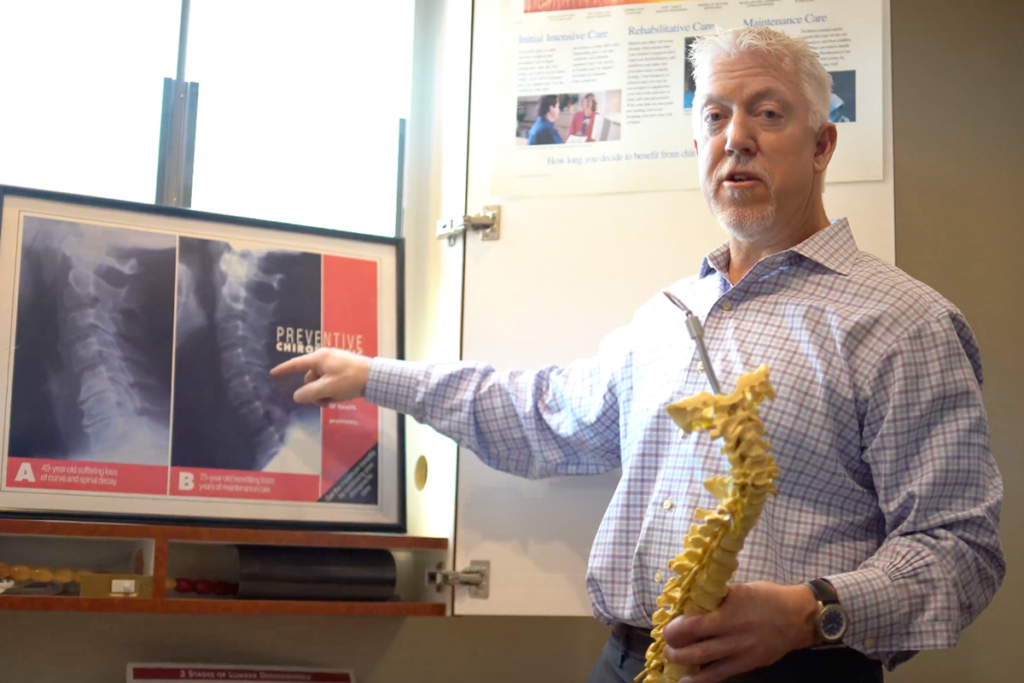
The examination includes orthopedic and neurological tests, posture analysis, and assessment of spinal motion and alignment. In some cases, X-rays may be recommended to get a clearer picture of your spinal structure. This comprehensive evaluation helps identify the root cause of your lower back pain and determines whether chiropractic care is appropriate for your condition.
Once Dr. Arsenault has a clear understanding of your problem, he’ll explain his findings and recommend a personalized treatment plan. This plan outlines the type and frequency of adjustments you’ll need, along with any supportive therapies like soft tissue work, exercises, or lifestyle modifications.
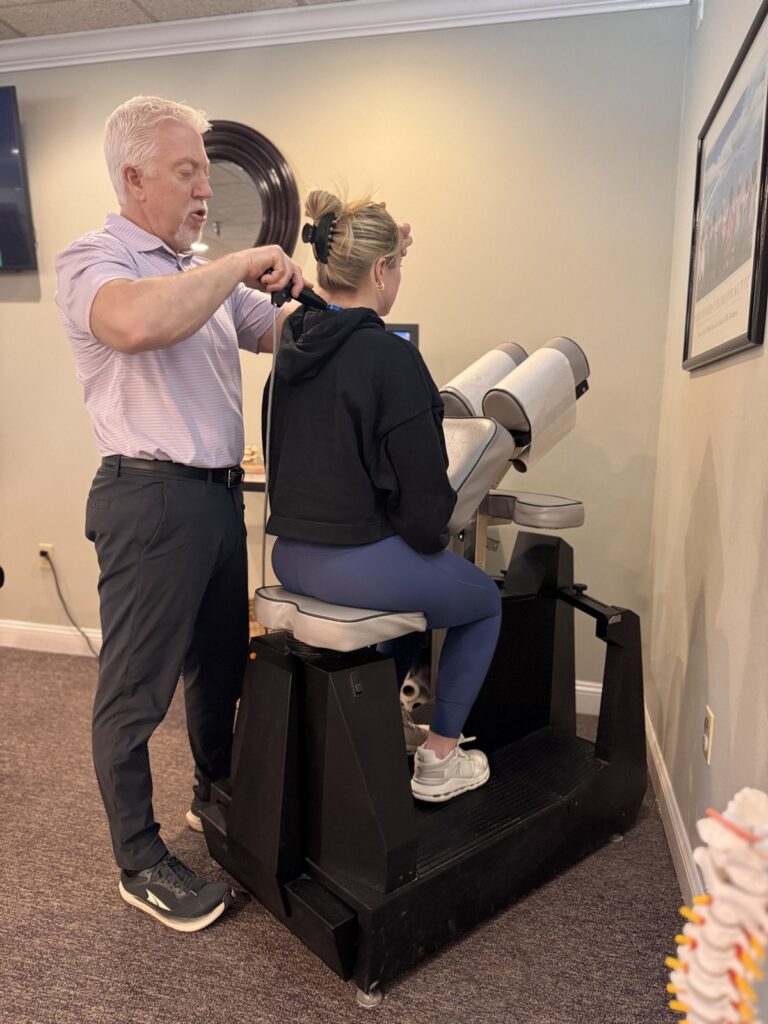
The adjustment itself is usually quick and comfortable. You’ll be positioned on a specialized chiropractic table, and Dr. Arsenault will use his hands or an adjusting instrument to deliver the correction. Many patients report feeling immediate relief or a sense of release after an adjustment. Others notice gradual improvement over several visits as the body adapts and heals.
It’s normal to experience mild soreness after your first few adjustments, similar to how muscles feel after starting a new exercise routine. This typically resolves within a day or two. Drinking plenty of water, applying ice if needed, and staying gently active can help your body adjust to the changes.
Treatment duration varies depending on the severity and chronicity of your lower back pain. Acute conditions often respond within a few weeks, while chronic issues may require longer care. Throughout your treatment, Dr. Arsenault will monitor your progress and adjust your care plan as needed to ensure you’re moving toward your health goals.
Practical Tips to Support Your Recovery
While chiropractic adjustments are highly effective, you can enhance your results by taking an active role in your recovery. Simple lifestyle modifications and self-care strategies support spinal health and help prevent future episodes of lower back pain.
Pay attention to your posture throughout the day. When sitting, keep your feet flat on the floor, your back supported, and your computer screen at eye level. Avoid slouching or leaning forward for extended periods. If you work at a desk, take short breaks every 30-45 minutes to stand, stretch, and move around. Even a brief walk helps relieve pressure on your lower back.
When lifting objects, use proper body mechanics. Bend at your knees and hips rather than your waist. Keep the object close to your body and avoid twisting while lifting. Whether you’re moving boxes, picking up groceries, or lifting a child, these principles protect your spine from unnecessary strain.
Incorporate gentle movement and stretching into your daily routine. Activities like walking, swimming, or yoga can strengthen core muscles that support your lower back. Your chiropractor may recommend specific exercises tailored to your needs. Consistency matters more than intensity—regular, moderate activity is more beneficial than sporadic, intense workouts.
Create an ergonomic sleep environment. Your mattress should provide adequate support without being too firm or too soft. Sleeping on your back with a pillow under your knees or on your side with a pillow between your knees can help maintain proper spinal alignment. Avoid sleeping on your stomach, which can strain your lower back and neck.
Manage stress through relaxation techniques. Practices like deep breathing, meditation, or gentle stretching before bed can reduce muscle tension associated with stress. Remember that chronic stress contributes to muscle tightness and can perpetuate lower back pain.
Stay hydrated and maintain a healthy weight. Proper hydration supports disc health, while excess body weight places additional stress on your lumbar spine. Small, sustainable lifestyle changes often yield significant long-term benefits for spinal health.
When to See a Chiropractor for Lower Back Pain
Knowing when to seek chiropractic care can make the difference between quick recovery and prolonged suffering. If you’re experiencing lower back pain that persists for more than a few days, interferes with daily activities, or keeps coming back, it’s worth scheduling an evaluation at Arsenault Family Chiropractic Center.
Early intervention is particularly important for acute injuries. If you’ve recently strained your back lifting something, experienced pain after an accident, or developed discomfort following an unusual activity, seeking care promptly can prevent the problem from becoming chronic. The sooner proper spinal function is restored, the faster you’re likely to heal.
Chronic lower back pain—defined as pain lasting longer than three months—also benefits from chiropractic evaluation. Even if you’ve “lived with it” for years, addressing the underlying mechanical dysfunction can often provide significant relief and improved quality of life. Don’t assume that chronic pain is something you simply have to tolerate.
Pay attention to warning signs that suggest nerve involvement. If your lower back pain radiates down your leg, causes numbness or tingling, or is accompanied by weakness in your legs or feet, these symptoms warrant professional attention. While many cases of nerve-related pain respond well to chiropractic care, proper evaluation ensures you receive appropriate treatment.
Certain red flags require immediate medical attention rather than chiropractic care alone. Seek emergency medical help if your lower back pain follows significant trauma, is accompanied by loss of bladder or bowel control, causes severe progressive weakness in your legs, or occurs with unexplained fever or weight loss. These symptoms may indicate serious conditions requiring medical intervention. Chiropractors are trained to recognize these situations and will refer you appropriately.
For most people with mechanical lower back pain, chiropractic care offers a safe, effective first-line treatment. Dr. Arsenault can determine whether your condition is appropriate for chiropractic adjustments and coordinate with other healthcare providers if needed. Your health and safety are always the top priority.
Comparison of Treatment Approaches for Lower Back Pain
| Treatment Approach | Key Features | Best For | Considerations |
|---|---|---|---|
| Chiropractic Adjustments | Hands-on spinal manipulation, drug-free, addresses mechanical dysfunction | Acute and chronic mechanical lower back pain, joint restrictions, postural issues | Requires multiple visits, active patient participation enhances results |
| Pain Medications | Over-the-counter or prescription drugs, symptom relief | Short-term pain management, acute flare-ups | Doesn’t address underlying cause, potential side effects with long-term use |
| Physical Therapy | Exercise-based rehabilitation, strengthening, flexibility training | Weakness, deconditioning, post-surgical rehabilitation | Often combined with other treatments, requires consistent home exercises |
| Massage Therapy | Soft tissue manipulation, muscle tension relief, relaxation | Muscle-related pain, stress-induced tension, complement to other care | Addresses soft tissue but not joint dysfunction |
| Surgery | Invasive procedure, structural correction for specific conditions | Severe disc herniation with nerve compression, fractures, structural instability | Reserved for cases unresponsive to conservative care, carries surgical risks and recovery time |
Myths vs. Facts About Chiropractic Care
Myth: Once you start chiropractic care, you have to go forever
Fact: This is one of the most common misconceptions about chiropractic care. While many patients choose to continue periodic adjustments for wellness and prevention after their initial problem resolves, you’re never obligated to continue care indefinitely. At Arsenault Family Chiropractic Center, treatment plans are designed to address your specific condition, and you have complete control over your healthcare decisions. Many patients complete their initial care plan and only return if problems resurface.
Myth: Chiropractic adjustments are dangerous
Fact: Chiropractic adjustments are among the safest treatments available for lower back pain when performed by a licensed professional. Serious complications are extremely rare. Research consistently shows that chiropractic care carries far less risk than long-term medication use or surgery. Chiropractors undergo extensive training to perform adjustments safely, and they screen patients carefully to ensure appropriateness of care.
Myth: The “cracking” sound means bones are breaking
Fact: The popping or cracking sound you sometimes hear during an adjustment is simply gas bubbles releasing from the joint fluid—a process called cavitation. It’s the same phenomenon that occurs when you crack your knuckles. The sound is not bones grinding, breaking, or being forced out of place. In fact, not all effective adjustments produce this sound, and the presence or absence of the sound doesn’t indicate whether the adjustment was successful.
Myth: Chiropractic care is only for back pain
Fact: While chiropractors are well-known for treating lower back pain, chiropractic care addresses much more. The focus is on optimizing spinal function and nervous system health, which can positively influence various aspects of wellness. Patients at Arsenault Family Chiropractic Center also seek care for neck pain, headaches, extremity problems, posture issues, and overall wellness support. Chiropractic philosophy recognizes the body’s interconnected nature.
Myth: You need a referral or X-rays before seeing a chiropractor
Fact: In New Hampshire and most states, chiropractors are primary care providers for the musculoskeletal system, meaning you can schedule an appointment without a referral from another doctor. While X-rays or imaging may be recommended in some cases, they’re not always necessary. Dr. Arsenault will determine what diagnostic information is needed based on your individual examination findings and health history.
Final Thoughts
Lower back pain doesn’t have to limit your life. Understanding how your spine works, what causes pain, and how chiropractic adjustments can help empowers you to make informed decisions about your health. The benefits of chiropractic care—natural pain relief, improved function, faster recovery, and prevention of future problems—make it an excellent first-line treatment for mechanical lower back pain.
Here in North Hampton, NH, Dr. Arsenault and the caring team at Arsenault Family Chiropractic Center are committed to helping people in our community find relief and regain their quality of life. Whether you’re dealing with acute pain from a recent injury or chronic discomfort that’s been bothering you for months or years, chiropractic care offers a safe, effective, drug-free approach.
Remember that your body has an incredible ability to heal when given the right support. Combining professional chiropractic care with healthy lifestyle habits creates the optimal environment for recovery. Don’t wait for lower back pain to resolve on its own—taking action now can prevent minor problems from becoming major limitations.
If you’re experiencing lower back pain and would like to explore how chiropractic adjustments might help, we welcome you to reach out to Arsenault Family Chiropractic Center. Our goal is to provide personalized, compassionate care that addresses your unique needs and helps you achieve lasting wellness. Your journey toward a pain-free, active life can start today.
Frequently Asked Questions
How long does it take to see results from chiropractic adjustments for lower back pain?
Many patients notice some improvement after just a few adjustments, though the timeline varies based on the severity and duration of your condition. Acute lower back pain often responds within two to four weeks, while chronic issues may require longer care. Dr. Arsenault will discuss realistic expectations based on your specific situation during your initial consultation.
Are chiropractic adjustments painful?
Most patients find chiropractic adjustments comfortable and even relieving. You may feel pressure or a brief sensation during the adjustment itself, but it shouldn’t be painful. Some people experience mild soreness afterward, similar to post-exercise muscle soreness, which typically resolves within a day or two. If you have concerns about discomfort, communicate openly with Dr. Arsenault—he can modify techniques to ensure your comfort.
Can chiropractic care help with sciatica?
Yes, chiropractic adjustments can be very effective for sciatica, which is pain radiating down the leg due to irritation of the sciatic nerve. By restoring proper spinal alignment and reducing pressure on the nerve, many patients experience significant relief from sciatic symptoms. The specific approach depends on the underlying cause of your sciatica, which is why a thorough examination is essential.
Is chiropractic care safe for everyone with lower back pain?
Chiropractic care is safe for most people with lower back pain, but not everyone is a candidate. During your initial evaluation, Dr. Arsenault will review your health history and perform examinations to ensure chiropractic adjustments are appropriate for your condition. If your lower back pain stems from a condition that requires a different approach, he’ll refer you to the appropriate healthcare provider.
Will my insurance cover chiropractic adjustments?
Many insurance plans include chiropractic coverage, though specific benefits vary. The team at Arsenault Family Chiropractic Center can help you understand your coverage and answer questions about costs. Don’t let insurance concerns prevent you from seeking care—the office staff can work with you to explore your options.
Can I combine chiropractic care with other treatments for lower back pain?
Absolutely. Chiropractic care often works well alongside other conservative treatments like physical therapy, massage, or acupuncture. Dr. Arsenault takes an integrative approach and will coordinate with your other healthcare providers when appropriate to ensure you receive comprehensive care. The goal is always to find the most effective combination of treatments for your individual needs.
TL;DR – Key Takeaways
- Chiropractic adjustments offer natural, drug-free relief for lower back pain by restoring proper spinal motion and reducing nerve interference.
- Research supports spinal manipulation as an effective first-line treatment for both acute and chronic mechanical lower back pain.
- Benefits include pain reduction, improved mobility, faster recovery, personalized care, and prevention of future episodes without the risks associated with medications or surgery.
- Supporting your chiropractic care with proper posture, ergonomic habits, gentle exercise, and stress management enhances results and promotes long-term spinal health.
- Seeking care early—whether for acute injury or chronic pain—leads to better outcomes, and Arsenault Family Chiropractic Center in North Hampton, NH provides comprehensive evaluations to determine the best approach for your specific condition.