
If you’re a parent in North Hampton, you’ve probably asked yourself at some point whether chiropractic care is safe for your child. It’s a completely reasonable question, and one that comes up often at Arsenault Family Chiropractic Center. Pediatric chiropractic care is a topic surrounded by both genuine curiosity and quite a bit of misinformation. Whether your child was recently born, is a toddler taking tumbles, or is a school-aged athlete, understanding what pediatric chiropractic care is — and what it isn’t — can help you make a confident, informed decision for your family’s health.
What Is Pediatric Chiropractic Care?
Pediatric chiropractic care refers to the assessment and gentle manual care of the spine and musculoskeletal system in infants, children, and adolescents. A licensed chiropractor evaluates areas of the spine where movement may be restricted or mechanical stress may be present, and uses age-appropriate, low-force techniques to address those areas. It is not the same as adult chiropractic care — the approach is specifically adapted for smaller, still-developing bodies.
-
Why Parents in North Hampton Consider Chiropractic for Their Kids
-
Common Childhood Concerns: Possible Contributors and Chiropractic’s Role
Why Parents in North Hampton Consider Chiropractic for Their Kids
Here in North Hampton, NH, families lead active lives. From youth sports leagues to beach days at Hampton Beach, children are constantly on the move — and with movement comes the inevitable bumps, falls, and physical demands that growing bodies face. Parents bring their children to Arsenault Family Chiropractic Center for a wide variety of reasons, and it’s helpful to understand the landscape of what chiropractic care can and cannot address.
One of the most common reasons parents seek out pediatric chiropractic care is musculoskeletal discomfort. A child who complains of back pain after a sports season, neck stiffness after a car ride, or recurring tension headaches is experiencing something very real — and those concerns deserve thoughtful evaluation. Dr. Mark Arsenault approaches each young patient as an individual, taking the time to understand their specific history and physical presentation before recommending any course of care.
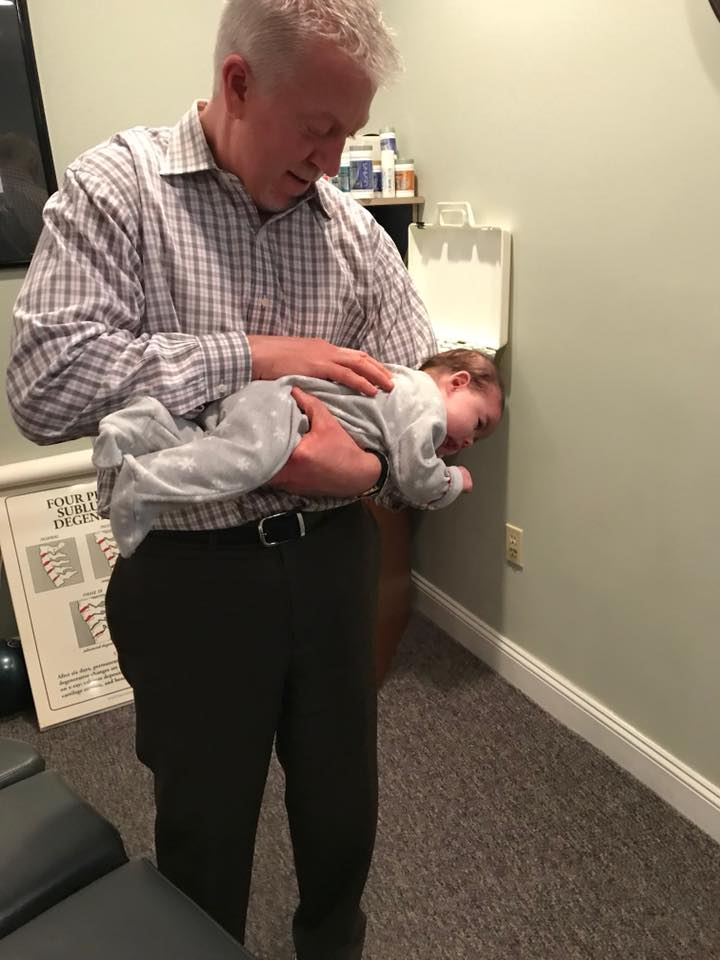
Some parents also bring in newborns or infants following a difficult birth. The birthing process, whether vaginal or via cesarean section, places significant mechanical forces on a baby’s head, neck, and upper spine. Some chiropractors who specialize in pediatric care evaluate infants for restrictions in cervical spine mobility that may affect comfort during feeding, sleeping, or movement. This area of pediatric chiropractic is gentle, specialized, and entirely different from what most people picture when they think of a chiropractic adjustment.
Older children and teenagers often come in with postural concerns, particularly in today’s world of heavy backpacks and prolonged screen time. Parents notice their child slumping at the desk, developing a rounded upper back, or carrying their head forward. These are real biomechanical concerns that Dr. Mark Arsenault and the team at Arsenault Family Chiropractic Center take seriously, offering evaluation and guidance that supports healthier movement patterns before problems have a chance to become chronic.

Is Pediatric Chiropractic Care Safe?
Safety is always the first and most important question, and it deserves a direct, honest answer. When performed by a trained, licensed chiropractor using techniques specifically appropriate for a child’s age and size, pediatric chiropractic care is considered generally safe. The forces used on infants and young children are dramatically lighter than those used on adults — often no more pressure than you would use to test the ripeness of a tomato.
The American Chiropractic Association and numerous professional organizations acknowledge that pediatric chiropractic care, when practiced by a qualified provider, carries a low risk profile. Research in this area continues to grow, and while the evidence base for some pediatric applications is still developing, available literature suggests that adverse events in pediatric chiropractic are rare when care is delivered appropriately.
That said, not every chiropractor has the same depth of training in pediatric care. It’s important to choose a provider who has specific knowledge and experience working with children and infants. Dr. Mark Arsenault works with patients across all age groups, including the youngest members of North Hampton families, and understands how to adapt assessment and treatment for developing bodies. If a concern falls outside the scope of chiropractic care, appropriate referral is always part of responsible practice.
It’s also worth noting that chiropractic care does not claim to treat childhood illnesses or diseases. A chiropractor’s role is to assess and support the musculoskeletal system. If your child is experiencing a medical illness, that care belongs with your pediatrician. Chiropractic care and pediatric medicine work best when they complement each other as part of a well-rounded approach to your child’s health.
What to Expect During a Pediatric Chiropractic Visit
Many parents are nervous the first time they bring their child into a chiropractic office, and that’s completely understandable. Knowing what to expect can make the experience much more comfortable for both you and your child. At Arsenault Family Chiropractic Center in North Hampton, NH, a pediatric visit begins with a thorough health history review and a conversation with the parent or guardian about the child’s concerns, activity level, developmental history, and any recent injuries or changes.
The physical examination for a child is gentle and observational. Dr. Mark Arsenault will assess posture, spinal alignment, range of motion, and muscle tone in a way that feels more like a wellness check than a medical procedure. For infants, the examination is done with the baby resting comfortably, often in a parent’s arms or on a padded surface. Young children are often surprised by how easy and even enjoyable the visit feels.
If chiropractic care is indicated, the techniques used for children and infants are entirely different from the high-velocity adjustments associated with adult care. Pediatric adjustments typically involve sustained, gentle fingertip pressure on specific spinal or joint areas. There is no forceful cracking or manipulation. The goal is to restore normal joint movement and reduce areas of mechanical restriction in the most comfortable and minimally invasive way possible.
Parents are always present during their child’s visit. Transparency and communication are central to the experience at Arsenault Family Chiropractic Center. Dr. Mark Arsenault takes the time to explain findings to parents in plain language, answer questions honestly, and set realistic expectations for what chiropractic care can and cannot accomplish for their child.
How Chiropractic Care Fits Into Your Child’s Overall Health
Chiropractic care is best understood as one piece of a larger health picture. It is a non-invasive, drug-free approach focused on the relationship between the spine, the nervous system, and overall physical function. For children, whose bodies are growing rapidly and whose movement patterns are being established for life, supporting spinal and musculoskeletal health early can be meaningful.
Research in the field of conservative musculoskeletal care suggests that addressing postural imbalances, joint restrictions, and movement inefficiencies earlier — rather than later — may help reduce the likelihood of those patterns becoming chronic issues in adulthood. While no chiropractor should promise specific outcomes for any patient, the concept of proactive, preventive care makes intuitive sense when we understand how habits formed in childhood often persist into adult life.
For children who are active in sports, chiropractic care may support recovery from minor musculoskeletal strains, help maintain balanced movement mechanics, and provide guidance on injury prevention. Youth athletes in and around North Hampton, NH who participate in soccer, lacrosse, gymnastics, swimming, or other physical activities often place repetitive demands on their growing bodies. Regular check-ins with a chiropractor can be a valuable part of an athletic wellness routine.
It’s also worth emphasizing that chiropractic care at Arsenault Family Chiropractic Center is always collaborative. Dr. Mark Arsenault communicates with parents openly and, when appropriate, works alongside a child’s pediatrician or other healthcare providers to ensure that care is coordinated and in the child’s best interest.
Practical Tips for Supporting Your Child’s Spinal Health
Whether or not you decide to pursue chiropractic care, there are meaningful things you can do at home and in your child’s daily routine to support healthy spinal development. These are simple, practical habits that cost nothing and make a real difference over time.
Backpack weight is one of the most overlooked contributors to childhood spinal strain. Pediatric guidelines generally recommend that a child’s backpack weigh no more than 10 to 15 percent of their body weight. Encourage your child to use both shoulder straps rather than slinging the bag over one shoulder, and consider periodic backpack weight checks throughout the school year — backpacks tend to accumulate unnecessary weight quickly.
Screen posture is another significant factor, especially as children spend more time on tablets, laptops, and smartphones. Holding a device below eye level causes the head to tilt forward, placing increased stress on the cervical spine and upper back. Positioning screens at or near eye level, taking regular movement breaks, and limiting prolonged static sitting are all habits worth encouraging from a young age.
Active play is one of the best things for a growing spine. Movement variety — running, climbing, rolling, and jumping — keeps joints mobile, strengthens supporting muscles, and promotes healthy spinal development. Structured exercise is great, but free, unstructured movement is equally important for children’s musculoskeletal health.
When to Bring Your Child to a Chiropractor
Knowing when to seek chiropractic care for your child doesn’t have to be complicated. At Arsenault Family Chiropractic Center in North Hampton, the general guidance is straightforward: if your child is experiencing musculoskeletal discomfort that has lasted more than a few days, or if you’ve noticed persistent postural changes, asymmetry, or complaints of pain during or after physical activity, a chiropractic evaluation is a reasonable next step.
Other situations that commonly prompt parents to seek evaluation include: a child who consistently tilts their head to one side, a child who seems uncomfortable when turning their neck, a newborn with feeding difficulty potentially related to neck tension, a school-aged child with recurring tension headaches, or a young athlete who has sustained a minor sports strain and is not recovering as expected.
There are also situations where chiropractic care is not the appropriate first step. Red flags that warrant immediate medical attention include sudden, severe pain without a clear mechanical cause, neurological symptoms such as numbness, tingling, or weakness in the limbs, unexplained changes in coordination or gait, fever accompanying neck pain or stiffness, or any trauma involving the head or spine. In these cases, please seek evaluation from your child’s pediatrician or an emergency provider first. Dr. Mark Arsenault will always refer out when a concern exceeds the scope of chiropractic care.

Common Childhood Concerns: Possible Contributors and Chiropractic’s Role
Childhood Concern |
Possible Contributing Factors |
Where Chiropractic May Help |
When to See Another Provider |
|---|---|---|---|
|
Back or neck pain |
Heavy backpacks, sports, poor posture, growth spurts |
Assessing spinal mobility, reducing mechanical tension, postural guidance |
Severe pain, unexplained onset, neurological symptoms |
|
Tension headaches |
Screen posture, neck tension, stress, dehydration |
Cervical spine evaluation, soft tissue tension assessment |
Sudden severe headache, vision changes, fever, or vomiting |
|
Postural imbalances |
Prolonged sitting, screen habits, one-sided sport patterns |
Spinal alignment assessment, movement pattern guidance |
Progressive or rapidly worsening spinal curvature (consult pediatrician/ortho) |
|
Infant neck stiffness |
Birth process mechanics, positioning habits |
Gentle cervical mobility evaluation and care |
Fever, unusual irritability, neurological signs |
|
Sports-related strains |
Repetitive training loads, acute minor injury, muscle imbalance |
Musculoskeletal assessment, recovery support, movement coaching |
Suspected fractures, ligament tears, or significant swelling |
Myths vs. Facts About Pediatric Chiropractic Care
Myth: Chiropractic adjustments for children are the same as for adults.
Fact: Pediatric chiropractic techniques are specifically adapted for smaller, more delicate bodies. The force used on an infant is a fraction of what would be applied to an adult. There is no forceful manipulation involved in the care of young children. A properly trained chiropractor like Dr. Mark Arsenault understands that children require a completely different approach than adult patients.
Myth: Children don’t need chiropractic care because they’re young and resilient.
Fact: While children do recover from physical stress more quickly than adults in many cases, they are not immune to the effects of poor posture, mechanical injury, or musculoskeletal imbalance. Many adults who seek chiropractic care for chronic conditions can trace the beginnings of those patterns back to unaddressed issues in childhood. Proactive care during growth years can be genuinely valuable.
Myth: Chiropractic care can treat childhood illnesses like ear infections, colic, or asthma.
Fact: Chiropractic care does not treat diseases or systemic medical conditions. Reputable chiropractors are clear about this boundary. The focus of chiropractic care is the musculoskeletal system and its relationship to physical function. Medical concerns belong with a pediatrician or appropriate medical specialist. Any claim that chiropractic directly treats childhood illness should be viewed with skepticism.
Myth: It’s not safe to take a newborn or infant to a chiropractor.
Fact: When performed by a qualified provider with specific training in infant care, chiropractic evaluation of newborns is considered low-risk. Professional organizations that oversee chiropractic standards acknowledge that infants may benefit from gentle cervical spine assessment following birth. The key is choosing a provider with appropriate training and experience. Safety and transparency should always come first.
Myth: If your child isn’t in pain, there’s no reason to see a chiropractor.
Fact: Pain is one indicator of a musculoskeletal problem, but it’s not the only one. Postural changes, asymmetrical movement patterns, and joint restrictions can exist without significant pain — especially in children, who may not articulate discomfort the way adults do. Wellness-oriented chiropractic check-ups can help identify minor issues before they become significant ones.
Final Thoughts from Arsenault Family Chiropractic Center
At Arsenault Family Chiropractic Center, we genuinely love caring for the whole family — from the youngest members to the grandparents. North Hampton, NH is a tight-knit community, and we feel privileged to be a trusted resource for local families who want thoughtful, honest guidance about their children’s health.
Dr. Mark Arsenault understands that bringing your child to any healthcare provider for the first time requires trust. That trust is something we take seriously. Every pediatric visit at our North Hampton practice is built on open communication, gentle technique, honest expectations, and a genuine commitment to your child’s wellbeing — not a one-size-fits-all approach.
If you have questions about pediatric chiropractic care or want to learn whether it might be a good fit for your child, we encourage you to reach out. You don’t need to have all the answers before you come in. Ask your questions, share your concerns, and let us walk through the information with you. That’s what we’re here for. Families in North Hampton and the surrounding Seacoast area of New Hampshire have trusted Arsenault Family Chiropractic Center for care that is rooted in integrity, education, and real results — and we’d be honored to care for your family too.
Frequently Asked Questions
At what age can a child first see a chiropractor?
Children can be evaluated by a chiropractor at any age, including as newborns. The techniques used are always adapted to the child’s age and size. If you have a concern about your infant’s comfort, mobility, or posture, it is appropriate to seek a professional evaluation from a chiropractor experienced in pediatric care.
How is a pediatric chiropractic adjustment different from an adult adjustment?
Pediatric adjustments use significantly less force than adult adjustments. For infants and young children, the technique involves gentle, sustained fingertip pressure rather than the high-velocity thrusts sometimes used for adults. The experience is typically very calm and well-tolerated by even the youngest patients.
Will chiropractic care help my child’s scoliosis?
Chiropractic care does not correct structural scoliosis, but it may help manage associated discomfort and support spinal mobility. If your child has been diagnosed with or is suspected of having scoliosis, it’s important to have them evaluated by both a pediatric orthopedic specialist and a chiropractor who can work collaboratively within that care plan.
How many visits will my child need?
The number of visits depends entirely on the individual child, the nature of their concern, and how they respond to care. Dr. Mark Arsenault will always discuss care recommendations transparently, explain the reasoning behind them, and adjust the plan based on how your child progresses. There is no universal answer, and you should never feel pressured into a predetermined number of visits.
Is pediatric chiropractic care evidence-based?
The evidence base for pediatric chiropractic care is growing, and research suggests it is generally safe and may be helpful for certain musculoskeletal concerns in children. As with many areas of healthcare, the evidence is stronger for some applications than others. A responsible chiropractor will be transparent about what the research does and doesn’t support.
Should I tell my pediatrician my child is seeing a chiropractor?
Yes — transparency with all of your child’s healthcare providers is always a good idea. Dr. Mark Arsenault encourages open communication between chiropractic care and your child’s primary care provider. Coordinated care leads to the best outcomes and ensures that nothing important is missed.
TL;DR Summary
-
Pediatric chiropractic care is a gentle, age-appropriate approach to evaluating and supporting the musculoskeletal health of infants, children, and teens — it is not the same as adult chiropractic care.
-
When performed by a qualified provider, pediatric chiropractic care is considered generally safe and low-risk; Dr. Mark Arsenault at Arsenault Family Chiropractic Center in North Hampton, NH is experienced in caring for patients of all ages.
-
Chiropractic care does not treat childhood illnesses or diseases — its focus is the spine, joints, and musculoskeletal system, and it works best as part of a broader approach to your child’s health.
-
Common reasons parents seek pediatric chiropractic care include back or neck discomfort, postural concerns, sports-related strains, tension headaches, and infant neck stiffness following birth.
-
Red flags such as neurological symptoms, severe unexplained pain, fever with neck stiffness, or suspected fractures require immediate medical attention — always see your pediatrician or emergency provider in those situations first.