
Leg pain is one of those symptoms that can quietly take over your daily life. Whether it’s a dull ache that follows you around all day, a sharp shooting sensation down the back of your thigh, or that frustrating pins-and-needles feeling in your feet, living with leg pain is exhausting. Here in North Hampton, many patients come through our doors at Arsenault Family Chiropractic Center unsure of why their legs hurt — and even less sure where to turn for help. If that sounds familiar, you’re in the right place. This article is designed to help you understand what’s behind your leg pain, how the musculoskeletal system plays a bigger role than most people realize, and how chiropractic care in North Hampton may offer the relief you’ve been searching for.
What Is Leg Pain, Really?
Leg pain isn’t a diagnosis — it’s a symptom. It can originate from muscles, joints, nerves, or even the spine itself. In many cases, what feels like a leg problem actually begins in the lower back or pelvis, where nerves that travel down into the legs become irritated or compressed. Understanding this connection is the foundation of effective, lasting care.
Common Causes of Leg Pain
Leg pain has many different origins, and pinpointing the right cause is the most important step toward finding real relief. While some leg pain is purely muscular — the kind you feel after a tough hike through the New Hampshire woods or a long day on your feet — much of the leg pain we see at Arsenault Family Chiropractic Center has a neurological or structural component.
One of the most common culprits is sciatica. The sciatic nerve is the largest nerve in the human body, running from the lower spine all the way down through the buttocks and into each leg. When this nerve is compressed or irritated — often due to a herniated disc, bone spur, or spinal misalignment — it can produce pain, burning, tingling, or weakness anywhere along its path. Many patients describe it as an electric shock sensation or a deep ache that seems to radiate from the low back into the leg.
Piriformis syndrome is another frequent cause. The piriformis is a small muscle deep in the buttock that, when tight or inflamed, can compress the sciatic nerve and mimic true sciatica. Differentiating between the two matters because the treatment approach differs slightly. Dr. Mark Arsenault takes time to assess each patient individually so the right cause is identified before any care plan begins.
Other common causes of leg pain include lumbar disc problems, sacroiliac joint dysfunction, tight hip flexors, iliotibial (IT) band syndrome, and referred pain from myofascial trigger points. Even poor posture and prolonged sitting — very common in our increasingly desk-bound world — can gradually create the kind of muscle imbalances and nerve irritation that lead to persistent leg discomfort.
Signs and Symptoms to Watch For
Leg pain presents differently depending on its underlying cause. Recognizing the pattern of your symptoms can actually help your chiropractor narrow down the source of the problem more quickly.
Nerve-related leg pain (neurogenic) tends to follow a predictable path. It often travels from the lower back or buttock down through the thigh, calf, or foot. It may feel sharp, burning, or electric. You might also notice numbness, tingling, or weakness in the affected leg — especially when sitting for long periods or first getting out of bed in the morning.
Muscle-related leg pain (myogenic) tends to feel more localized and achy. It usually worsens with activity and eases with rest. You may feel tenderness when pressing on a specific spot, or stiffness after sitting still for too long. This type of pain often responds well to a combination of movement, stretching, and hands-on chiropractic treatment.
Joint-related pain may involve stiffness or a deep aching sensation in the hip, knee, or ankle. It’s often worse first thing in the morning and tends to ease as the day goes on and the joints warm up. If the sacroiliac joint — where the pelvis connects to the spine — is the culprit, pain may be felt deep in the buttock and sometimes radiate into the upper leg.
The Spine-Leg Connection Most People Miss
One of the most eye-opening conversations Dr. Mark Arsenault has with new patients is explaining that leg pain often doesn’t start in the leg at all. The lumbar spine — the lower five vertebrae of your back — houses a network of nerves that branch out and travel into the hips, thighs, knees, calves, and feet. When any of those vertebrae shift out of their optimal position (a condition chiropractors call a subluxation), they can place pressure on these nerve roots and create symptoms that feel very distant from the spine itself.
This is why a patient might walk into Arsenault Family Chiropractic Center complaining of foot numbness and leave with a care plan focused on their lumbar spine. It’s not unusual at all — it’s actually very common. The spine and the legs are deeply interconnected, and treating only where the pain feels like it is, rather than where it originates, is one of the main reasons so many people struggle to get lasting relief from conventional approaches alone.
Research published in reputable journals including the Spine Journal has suggested that spinal manipulation and chiropractic care may help reduce nerve-related leg pain associated with lumbar disc problems and sciatica. While no approach works identically for every person, chiropractic care offers a non-invasive, drug-free pathway worth exploring before turning to more aggressive interventions.
How Chiropractic Care in North Hampton May Help
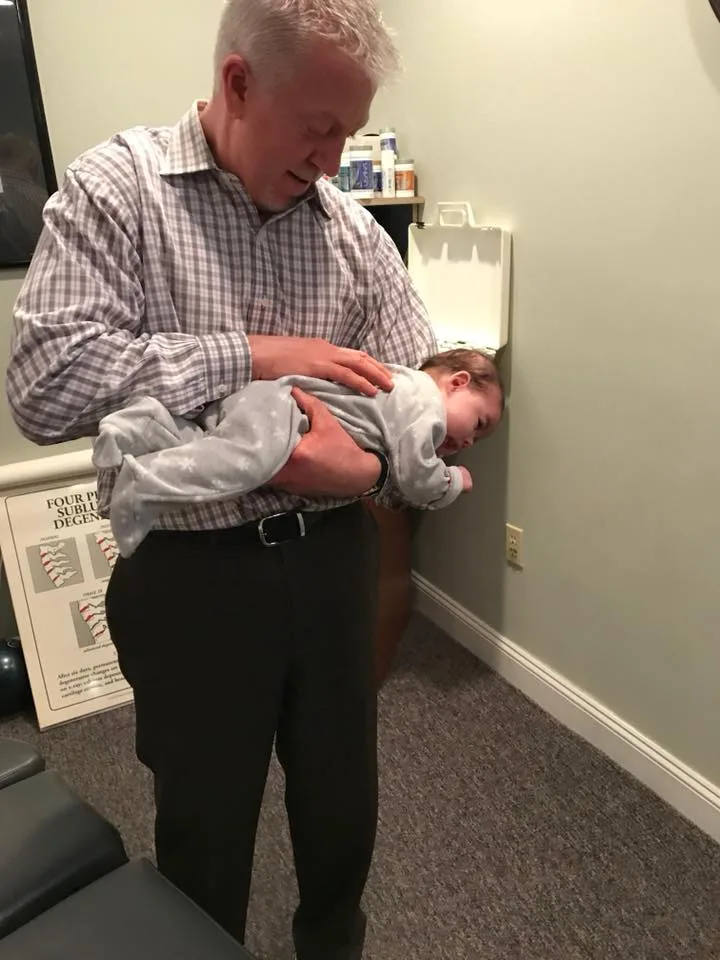
At Arsenault Family Chiropractic Center in North Hampton, NH, care is never one-size-fits-all. Dr. Mark Arsenault begins with a thorough evaluation — including a detailed health history, a postural and orthopedic assessment, and neurological testing when appropriate — to build a clear picture of what’s driving your leg pain. Only then does he develop a care plan tailored specifically to your situation.
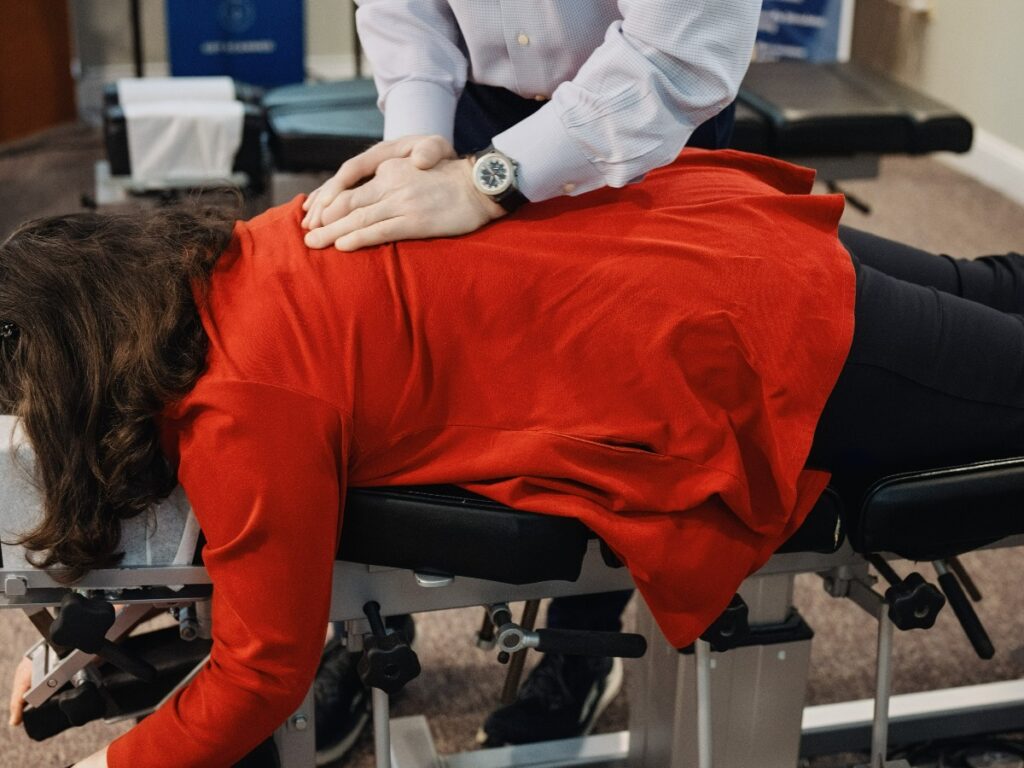
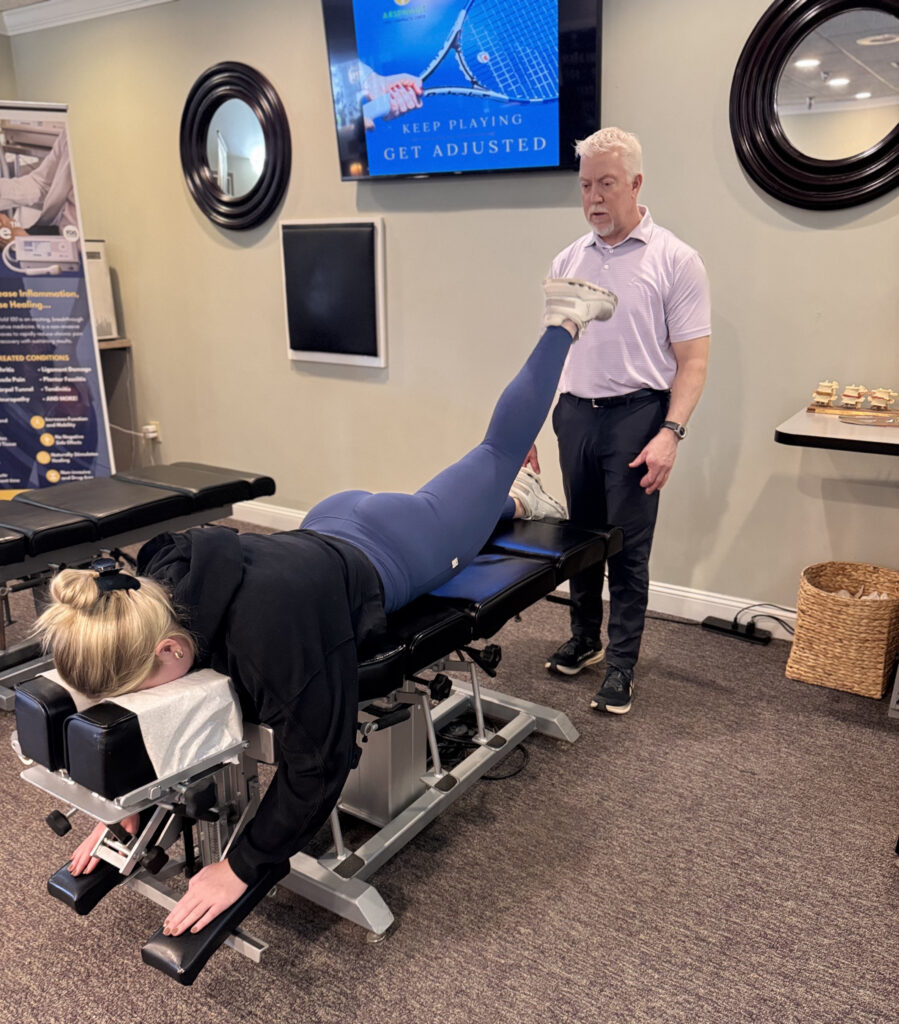
Chiropractic adjustments are at the core of what we do. These gentle, precise movements are designed to restore proper alignment and motion to the joints of the spine and pelvis. When spinal joints move freely and nerves are no longer compressed, the body has a much better chance of healing itself naturally. Many patients begin to notice meaningful improvement in their leg symptoms as spinal function improves over the course of their care.
Beyond spinal adjustments, chiropractic care at our North Hampton practice may include soft tissue work to address muscle tension, guidance on therapeutic exercises to rebuild strength and stability, and postural coaching to help prevent the problem from returning. This whole-person approach is what sets chiropractic care apart — it’s not just about reducing pain in the moment, but about helping your body function better long-term.
It’s also worth noting that chiropractic care is often recommended as a first-line conservative option. Organizations like the American College of Physicians (ACP) have recognized spinal manipulation as a reasonable conservative treatment for low back and associated leg pain, particularly before considering medications or surgical options.
Practical Tips for Managing Leg Pain at Home
While professional evaluation is always the best first step, there are some sensible things you can do at home to support your recovery and reduce daily discomfort. These tips work best as a complement to chiropractic care, not a replacement for it.
Keep moving — gently. One of the worst things you can do for most types of leg pain is to stay completely still. Gentle walking, light stretching, and low-impact movement help maintain blood flow, reduce muscle tightness, and support nerve health. You don’t need to push through pain, but gentle movement is your friend.
Evaluate your sitting habits. If you spend long hours at a desk or behind the wheel — which many North Hampton residents do during their commutes — your sitting posture matters enormously. Keep your hips at roughly a 90-degree angle, support your lower back, and avoid crossing your legs for extended periods. Take a brief walking break at least once every hour.
Mind your sleep position. Sleeping on your side with a pillow between your knees can help reduce pressure on the lumbar spine and sciatic nerve. Sleeping flat on your stomach, on the other hand, tends to increase strain on the lower back and hips — a common contributor to waking up with leg pain.
Apply heat or ice strategically. For acute flare-ups, ice can help reduce inflammation during the first 48–72 hours. After that, gentle heat may help relax tight muscles. When in doubt, ask Dr. Mark Arsenault which approach is best for your specific situation.
When to See a Chiropractor for Leg Pain
Many people wait far too long before seeking care for leg pain, assuming it will go away on its own. Sometimes it does — but when it doesn’t, waiting only allows the underlying problem to become more ingrained and harder to address. A good general guideline is this: if your leg pain has lasted more than two weeks, keeps coming back, or is interfering with your sleep, work, or daily activities, it’s time to get it evaluated.
Chiropractic care is particularly well-suited for leg pain that is associated with nerve symptoms (such as sciatica), muscle tightness and imbalance, joint dysfunction in the lower spine or pelvis, or pain that worsens with prolonged sitting or standing. If you’re in the North Hampton area and have been struggling with any of these patterns, a consultation at Arsenault Family Chiropractic Center is a great place to start.
However, there are certain red flags that warrant immediate medical attention rather than chiropractic care. These include sudden loss of bladder or bowel control, severe and rapidly worsening leg weakness, leg pain following a significant trauma or injury, or signs of circulation problems such as a cold, pale, or discolored limb. These symptoms require urgent evaluation by a medical physician. Dr. Mark Arsenault is always happy to refer patients to the appropriate specialist when a situation falls outside the chiropractic scope of care.
|
Type of Leg Pain |
Common Trigger |
Chiropractic Relevance |
|---|---|---|
|
Sciatic nerve pain (sciatica) |
Lumbar disc herniation, spinal misalignment |
High — spinal adjustments may relieve nerve compression |
|
Piriformis syndrome |
Tight or inflamed piriformis muscle |
High — soft tissue work and pelvic alignment often help |
|
IT band syndrome |
Repetitive activity, hip/knee imbalance |
Moderate — biomechanical correction and soft tissue care |
|
Sacroiliac joint dysfunction |
Pelvic misalignment, muscle imbalance |
High — SI joint manipulation is a core chiropractic technique |
|
Muscle cramping/tightness |
Overuse, dehydration, poor posture |
Moderate — lifestyle guidance and soft tissue care helpful |
|
Vascular or circulatory leg pain |
Poor circulation, blood clot (DVT) |
Low — requires medical evaluation and referral |
Myths vs. Facts About Leg Pain and Chiropractic Care
Myth: Leg pain always means something is wrong with your legs.
Fact: A large portion of leg pain — particularly nerve-related symptoms like sciatica — originates in the spine. The lumbar nerves travel all the way down to the feet, and compression at the source can produce pain, numbness, or weakness anywhere along that path. Treating the leg without addressing the spine often leads to incomplete or temporary results.
Myth: Chiropractic adjustments are too forceful or risky for leg pain.
Fact: Chiropractic care is widely regarded as a safe, non-invasive treatment option for musculoskeletal and nerve-related pain. Dr. Mark Arsenault tailors every adjustment to the individual patient’s age, condition, and comfort level. Techniques can range from gentle mobilization to more traditional adjustments, depending on what’s appropriate.
Myth: You have to live with leg pain if imaging doesn’t show anything obvious.
Fact: Many conditions that cause significant leg discomfort — including muscle imbalances, nerve irritation, and functional joint restrictions — don’t always show up clearly on X-rays or MRIs. A thorough hands-on evaluation by a trained chiropractor can identify movement and alignment problems that imaging alone might miss.
Myth: Chiropractic care only helps backs — not legs.
Fact: Because the spine directly controls the nerve supply to the legs, chiropractic care frequently addresses leg symptoms by correcting spinal and pelvic dysfunction. Many patients come to Arsenault Family Chiropractic Center specifically for leg-related complaints and experience significant improvement through spinal care.
Myth: Rest is the best cure for leg pain.
Fact: While rest can be helpful in the very acute phase of an injury, prolonged inactivity often makes musculoskeletal and nerve-related leg pain worse. Evidence consistently supports gentle movement, stretching, and active rehabilitation as key components of recovery — alongside professional care when needed.
Final Thoughts from Arsenault Family Chiropractic Center
Leg pain doesn’t have to define your days. Whether you’re dealing with a nagging ache that’s been bothering you for months or a sharp sciatic flare that showed up out of nowhere, there are answers — and there is hope. Here in North Hampton, NH, the team at Arsenault Family Chiropractic Center is dedicated to helping our community members get to the root of their pain, not just mask it.
Dr. Mark Arsenault brings a thorough, patient-centered approach to every evaluation. The goal is always to understand your body, explain what’s happening in plain language, and create a care plan that actually makes sense for your life. Chiropractic care isn’t a miracle — but for the right conditions, it can be a genuinely life-changing step toward feeling like yourself again.
If you’ve been searching for chiropractic care near you in the North Hampton area and you’re tired of letting leg pain slow you down, we’d love the opportunity to help. Come in, have a conversation, and let’s figure out together what your body needs to heal.
Frequently Asked Questions
Can a chiropractor help with sciatica?
Yes, chiropractic care is one of the most commonly recommended conservative approaches for sciatica. By addressing spinal alignment and reducing pressure on the sciatic nerve, chiropractic adjustments may help relieve the pain, tingling, and weakness associated with this condition. Results vary by individual, and a thorough evaluation is needed to determine whether chiropractic care is appropriate for your specific case.
How many chiropractic visits will I need for leg pain?
The number of visits depends on the underlying cause of your leg pain, how long it’s been present, and how your body responds to care. Some patients notice improvement within a few visits, while others with more complex or chronic conditions may benefit from a longer care plan. Dr. Mark Arsenault will give you a realistic expectation after your initial evaluation.
Is it safe to see a chiropractor if I have leg pain from a herniated disc?
In many cases, yes. Chiropractic care is often recommended as a first-line conservative treatment for herniated discs that are causing nerve-related leg symptoms. However, the appropriateness of care depends on the specific details of your condition, which is why a proper evaluation — including your history and any available imaging — is always the starting point.
What’s the difference between sciatica and general leg pain?
Sciatica specifically refers to pain that travels along the path of the sciatic nerve — typically from the lower back, through the buttock, and down the back of one leg. General leg pain is a broader term that can come from muscles, joints, blood vessels, or other nerves. A chiropractor can help distinguish between these patterns during your evaluation.
Can poor posture really cause leg pain?
Absolutely. Poor posture — especially prolonged sitting or standing with spinal misalignment — creates uneven stress on the lower back and pelvis. Over time, this can irritate nerve roots and cause referred pain or numbness into the legs. Correcting postural habits is an important part of both treating and preventing leg pain.
Does Arsenault Family Chiropractic Center treat patients of all ages with leg pain?
Yes. Leg pain can affect people at every stage of life — from active teenagers and working adults to older adults dealing with degenerative changes. Dr. Mark Arsenault and the team at Arsenault Family Chiropractic Center in North Hampton, NH, work with patients of all ages and adapt care techniques accordingly to ensure comfort and safety.
TL;DR — Key Takeaways
-
Leg pain often originates in the spine, not the leg itself — especially when nerve symptoms like tingling, numbness, or radiating pain are involved.
-
Common causes include sciatica, piriformis syndrome, lumbar disc problems, and sacroiliac joint dysfunction — all of which chiropractic care may address.
-
Dr. Mark Arsenault at Arsenault Family Chiropractic Center in North Hampton, NH, provides individualized, non-invasive care designed to find and treat the root cause of your leg pain.
-
Simple home strategies — like gentle movement, improved sitting posture, and mindful sleep positioning — can support your recovery between visits.
-
If leg pain has lasted more than two weeks or is interfering with your daily life, it’s time to get a professional evaluation rather than waiting it out.