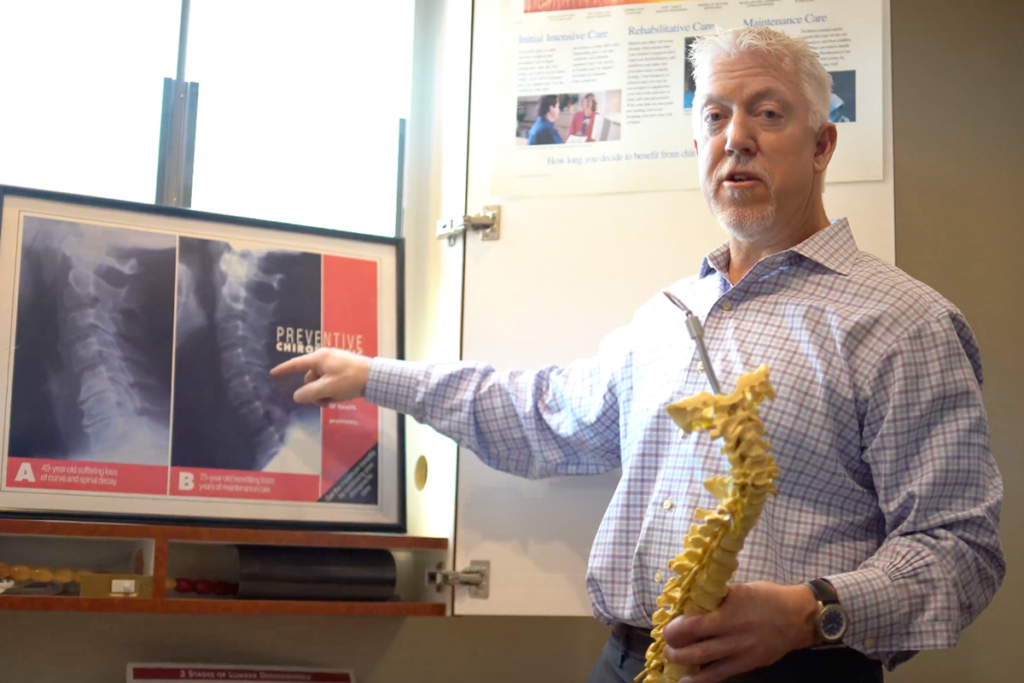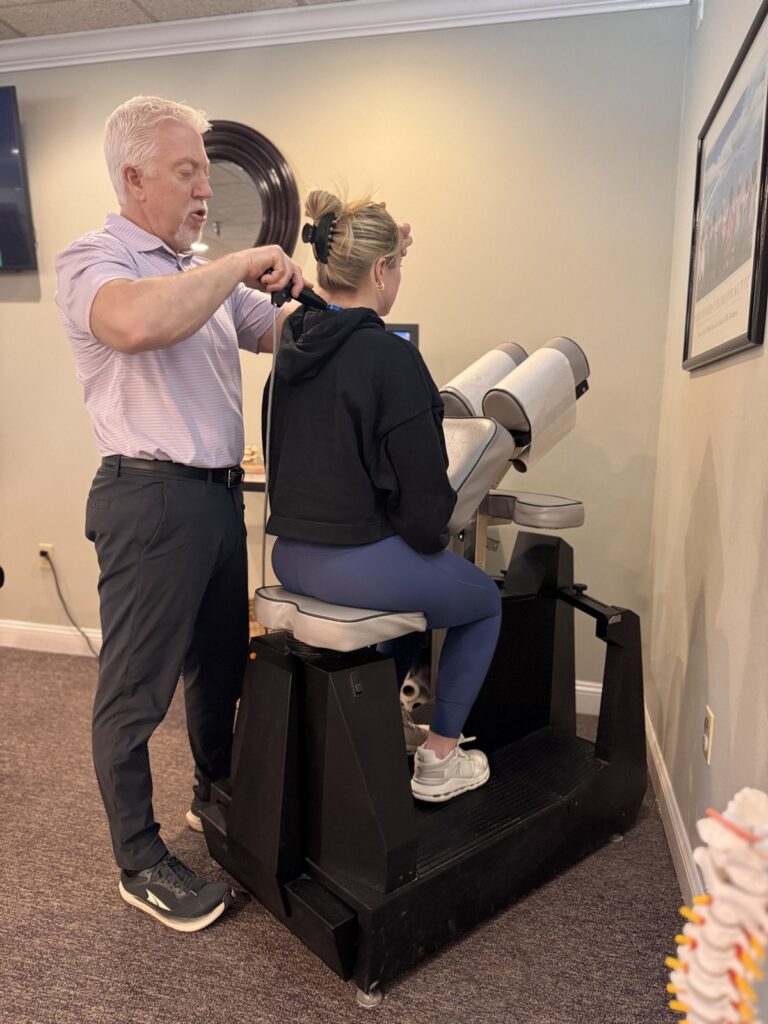

You know that nagging ache in your neck that hits by mid-afternoon? Or that tight, stiff feeling when you wake up in the morning? You’re not alone. Here in North Hampton, NH, we see patients every single week who struggle with neck pain—and the truth is, most of it doesn’t come from a single injury or accident. It comes from something far more subtle: the way we hold our bodies throughout the day. Poor posture has become one of the leading contributors to chronic neck pain, and the good news is that it’s something we can address, improve, and in many cases, prevent entirely. At Arsenault Family Chiropractic Center, we’ve helped countless members of our community understand the connection between posture and neck health, and we’re here to share what we’ve learned with you.
What is posture correction, and why does it matter for neck pain? Posture correction involves identifying and addressing alignment issues in your spine and supporting structures that contribute to pain and dysfunction. When your posture is off—whether from desk work, phone use, or daily habits—your neck muscles and joints work overtime to compensate, leading to strain, tension, and eventually pain. Correcting these patterns helps restore proper alignment, reduces stress on the neck, and supports long-term pain prevention.
Table of Contents
- The Posture and Neck Pain Connection
- Common Causes of Poor Posture That Lead to Neck Pain
- Warning Signs Your Posture Is Affecting Your Neck
- How Chiropractic Care Supports Posture Correction
- Practical Tips for Better Posture Throughout Your Day
- When to See a Chiropractor for Neck Pain
- Posture Mistakes vs. Corrections
- Myths vs. Facts About Posture and Neck Pain
- Final Thoughts from Your North Hampton Chiropractor
The Posture and Neck Pain Connection
Your neck wasn’t designed to hold your head in a forward position for hours on end. When we talk about “good posture,” we’re really talking about alignment—the way your head, shoulders, spine, and hips stack on top of each other. When everything is aligned properly, your body works efficiently. Your muscles can relax, your joints move smoothly, and your nervous system functions without interference.
But when your posture shifts out of alignment, things change quickly. For every inch your head moves forward from its neutral position, you add roughly 10 pounds of extra force on your neck muscles and spine. Think about that. If your head weighs about 10-12 pounds in a neutral position, moving it just two inches forward can make it feel like 30 pounds to your neck. That’s an enormous amount of strain, and your muscles simply aren’t designed to handle it for extended periods.
This forward head posture—sometimes called “text neck” or “tech neck”—has become incredibly common in our digital age. Many of us spend hours looking down at phones, hunched over laptops, or leaning forward toward computer screens. Over time, this creates a cascade of changes. The muscles at the back of your neck become overstretched and fatigued. The muscles at the front of your neck and chest tighten and shorten. The natural curve in your cervical spine begins to flatten or even reverse.
The result? Chronic neck pain, tension headaches, shoulder discomfort, and sometimes even numbness or tingling down the arms. At Arsenault Family Chiropractic Center, we see these patterns regularly in patients from all walks of life—office workers, students, parents, and even active individuals who exercise regularly but still struggle with posture-related pain.
Common Causes of Poor Posture That Lead to Neck Pain
Understanding what causes poor posture is the first step in preventing neck pain. While some postural issues stem from old injuries or structural problems, most develop gradually through repeated habits and environmental factors. Let’s look at the most common culprits we see here in North Hampton and the surrounding Seacoast area.
Prolonged Sitting and Desk Work
The modern workplace has created a perfect storm for neck problems. Many of us sit for 8-10 hours per day, often at workstations that aren’t properly set up for our bodies. Computer monitors placed too low force us to look downward. Keyboards positioned too far away cause us to reach forward. Chairs without proper lumbar support allow our lower backs to slump, which affects our entire spine all the way up to our necks.
When you sit in a slouched position repeatedly, your body begins to adapt to that position. The muscles that should be holding you upright become weak and deconditioned. The muscles that are overworked in the slouched position become tight and shortened. Eventually, even when you try to sit up straight, it feels uncomfortable because your body has adapted to the poor posture.
Smartphone and Device Use
We check our phones dozens—sometimes hundreds—of times per day. Each time we look down at a screen, we’re placing significant stress on our cervical spine. Research has shown that looking down at a 60-degree angle can place up to 60 pounds of force on the neck. That’s like carrying an 8-year-old child on your shoulders—except you’re doing it with just your neck muscles, and you’re doing it repeatedly throughout the day.
Tablets, e-readers, and laptops used while sitting on couches or in bed create similar problems. The convenience of these devices comes with a postural cost that many people don’t realize until neck pain becomes a daily companion.
Sleeping Position and Pillow Problems
How you sleep matters more than you might think. Sleeping on your stomach forces your neck to rotate to one side for hours at a time. Using pillows that are too high, too flat, or too soft can prevent your neck from maintaining its natural alig
nment throughout the night. Even if you maintain perfect posture during the day, poor sleeping posture can undo much of that benefit.
Stress and Muscle Tension
Emotional stress has a physical component that directly affects posture. When we’re stressed, anxious, or overwhelmed, we unconsciously tense our shoulder and neck muscles. We may raise our shoulders toward our ears, clench our jaw, or hunch forward protectively. Do this occasionally, and your body recovers. Do it chronically, and these patterns become ingrained, contributing to both poor posture and persistent neck pain.
Previous Injuries or Compensation Patterns
Sometimes poor posture develops because your body is trying to protect an old injury or compensate for pain elsewhere. An old ankle sprain, a knee injury, or low back pain can all alter the way you carry yourself. Over time, these compensation patterns can create postural imbalances that eventually affect your neck, even if the original problem was nowhere near your cervical spine.
Warning Signs Your Posture Is Affecting Your Neck
Neck pain doesn’t usually appear out of nowhere. Your body sends signals—often subtle at first—that something isn’t right. Recognizing these warning signs early gives you the best chance of addressing the problem before it becomes chronic or severe.
One of the earliest signs is that achy, tired feeling in your neck and shoulders at the end of the day. You might notice that your neck feels stiff when you turn your head to check your blind spot while driving. You may find yourself rubbing the back of your neck frequently or rolling your shoulders to find relief. These seemingly minor discomforts are your body’s way of telling you that your posture is creating strain.
Tension headaches are another common indicator. These typically feel like a tight band around your head or pressure at the base of your skull. They often develop in the afternoon or evening, after hours of poor postural habits have accumulated. Many people don’t realize that their headaches are actually coming from their neck until they address the underlying postural issues.
You might also notice that it’s becoming harder to maintain good posture, even when you’re trying. If sitting up straight feels like work, or if you find yourself constantly readjusting your position to get comfortable, it’s a sign that your postural muscles have become imbalanced. Some are too weak to support you properly, while others are too tight to allow proper alignment.
Other warning signs include shoulder pain or tightness, a reduced range of motion in your neck, pins and needles sensations in your arms or hands, and difficulty finding a comfortable sleeping position. Some patients at Arsenault Family Chiropractic Center report that they can feel a crunching or grinding sensation when they move their neck, or that certain positions cause sharp pain.
Pay attention to these signals. Your body is remarkably good at adapting and compensating, which means you can function with poor posture for quite a while before the pain becomes significant. But adaptation comes at a cost, and addressing postural problems early is always easier than waiting until they’ve become deeply ingrained patterns.
How Chiropractic Care Supports Posture Correction
Here at Arsenault Family Chiropractic Center, we take a comprehensive approach to posture correction and neck pain prevention. Chiropractic care isn’t just about adjusting your spine when it hurts—it’s about identifying the underlying biomechanical problems that lead to pain in the first place and creating a plan to address them.
Comprehensive Postural Assessment
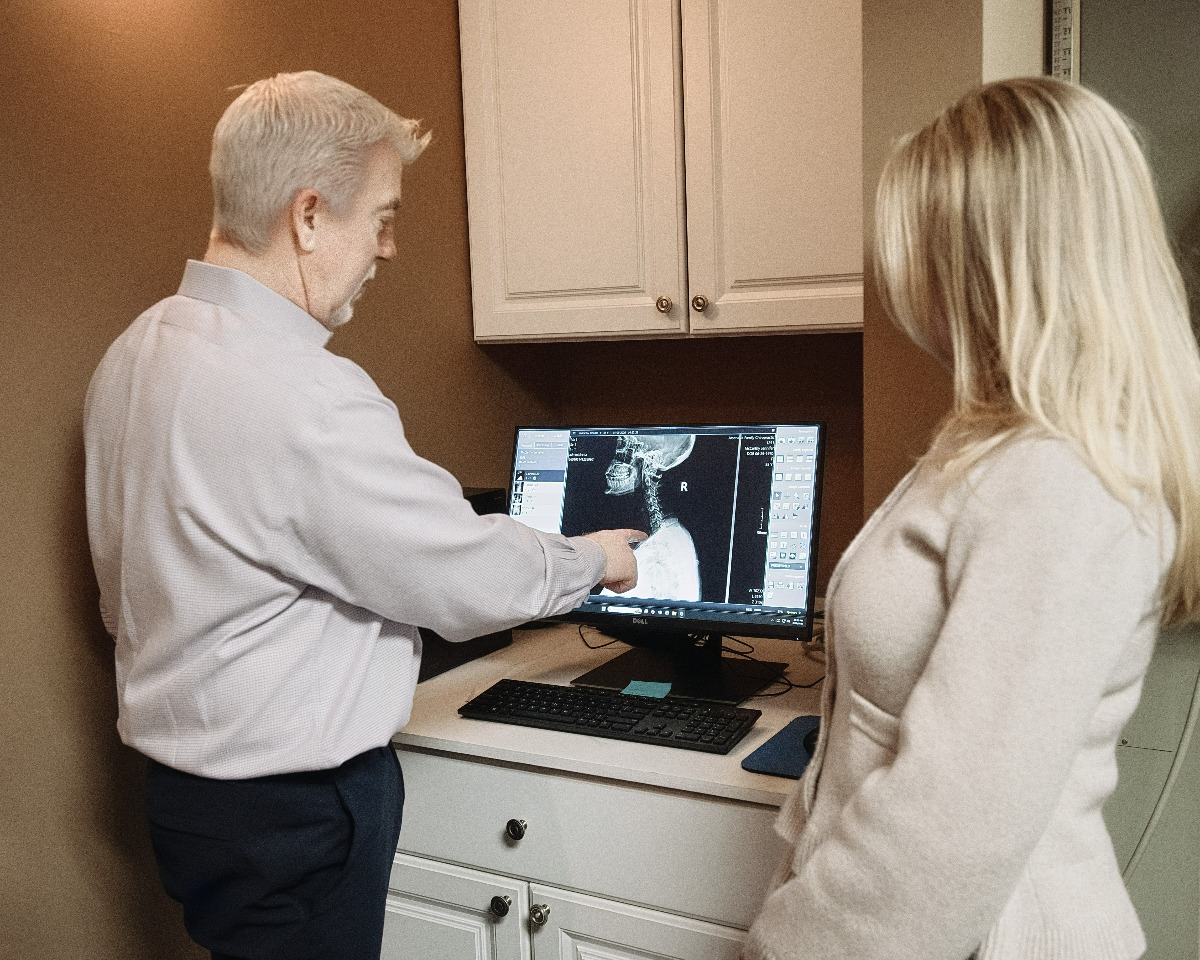
Every patient receives a thorough evaluation that looks at far more than just the neck. We examine your entire spine, your shoulder position, your head carriage, and how all these pieces work together. We look at how you stand, how you move, and where you’re holding tension. This assessment helps us understand not just what’s wrong, but why it’s happening. Is your neck pain coming from weak postural muscles? Tight chest muscles pulling your shoulders forward? Joint restrictions in your mid-back? Proper diagnosis guides effective treatment.
Chiropractic Adjustments for Alignment
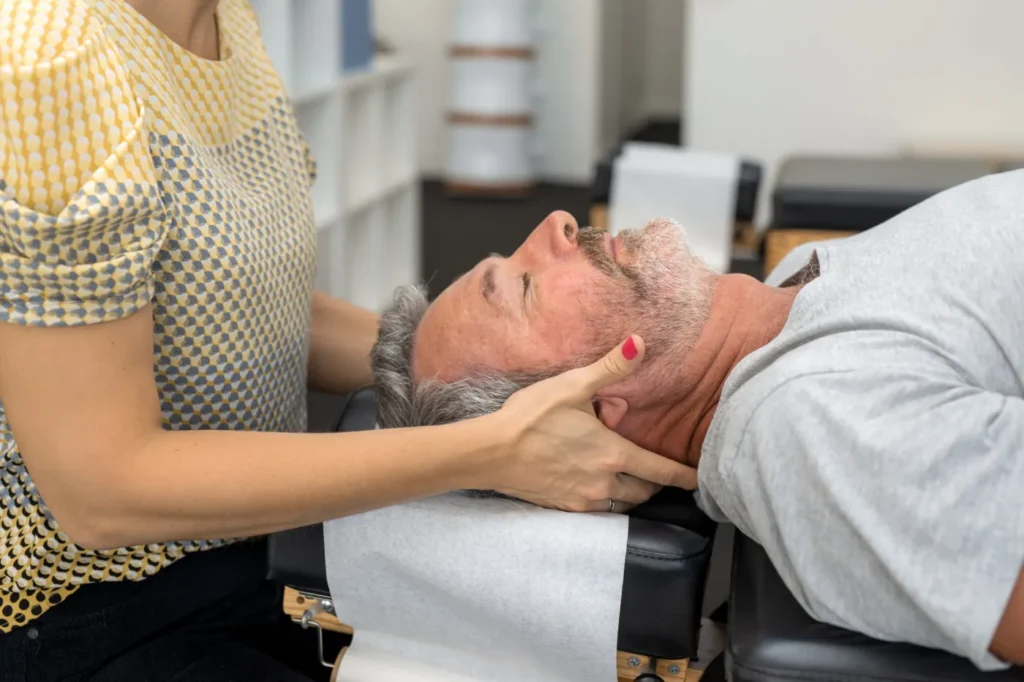
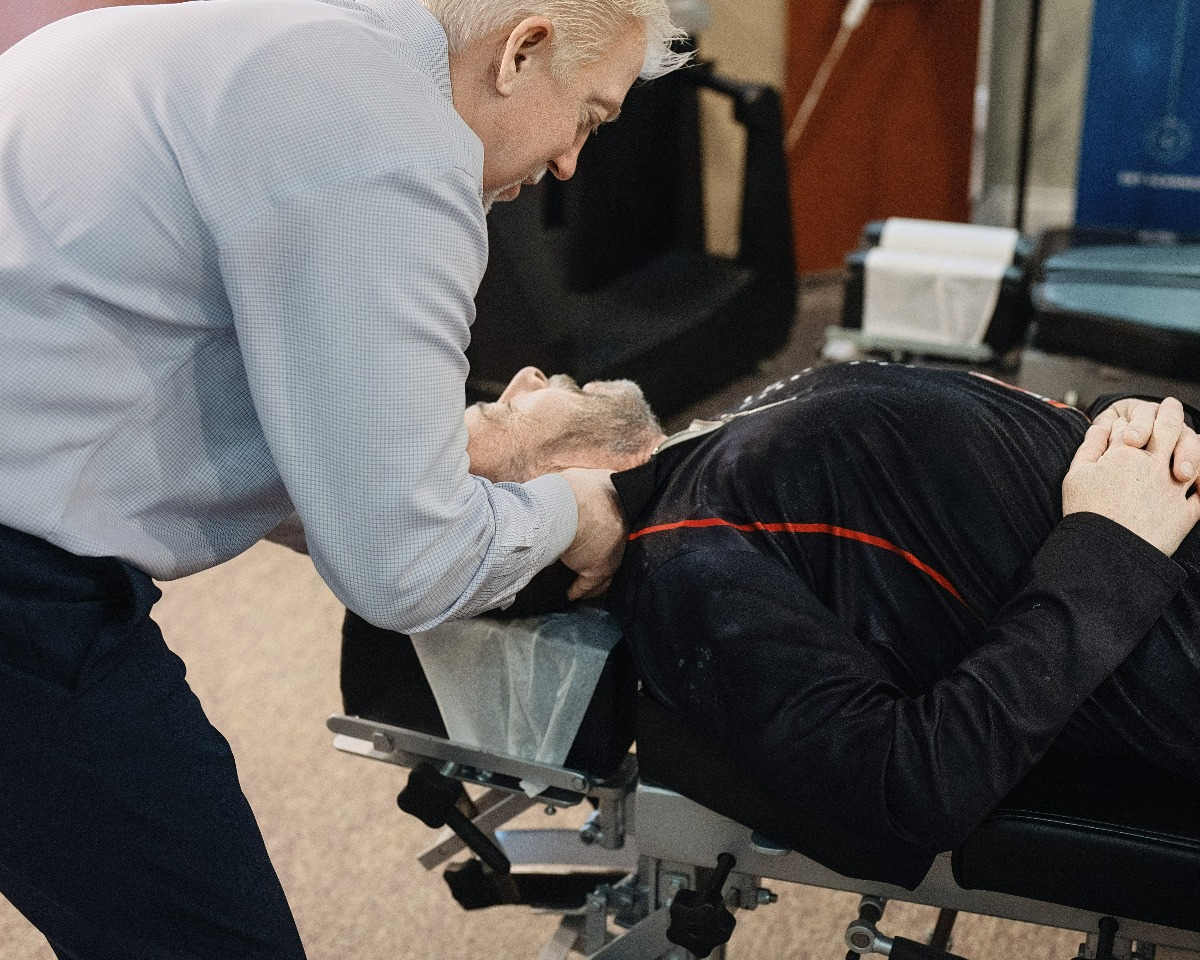
Chiropractic adjustments help restore proper motion and alignment to spinal joints that have become restricted or misaligned. When your neck or mid-back joints aren’t moving properly, the muscles around them compensate, leading to tension and pain. Gentle, specific adjustments help normalize joint function, which allows the surrounding muscles to relax and proper posture to become easier to maintain.
Evidence suggests that chiropractic care can be beneficial for neck pain, with multiple systematic reviews indicating positive outcomes for cervical spine manipulation and mobilization. The approach is conservative, non-invasive, and focused on helping your body function the way it’s designed to.
Soft Tissue Therapy and Muscle Work
Adjustments alone aren’t always enough. Tight, shortened muscles need to be addressed directly. We use various soft tissue techniques to release tension in overworked muscles, particularly in the upper trapezius, levator scapulae, and suboccipital muscles that become chronically tight with poor posture. By combining adjustments with muscle work, we help your body reset into healthier patterns more effectively.
Postural Rehabilitation and Exercise
This is where lasting change happens. We teach you specific exercises designed to strengthen the muscles that support good posture—particularly the deep neck flexors and the muscles between your shoulder blades—while stretching the muscles that have become tight and shortened. These aren’t complicated gym workouts. They’re simple, targeted exercises you can do at home or work that address your specific postural imbalances.
Rehabilitation might include chin tucks to strengthen deep neck muscles, wall angels to improve shoulder positioning, or thoracic extension exercises to counteract forward slouching. The exercises we prescribe at Arsenault Family Chiropractic Center are individualized based on your specific needs and postural patterns.
Ergonomic Education and Lifestyle Modifications
We also spend time discussing your daily habits and workspace setup. Sometimes simple changes—adjusting your monitor height, changing your pillow, or modifying how you hold your phone—can make a tremendous difference. We provide practical, realistic recommendations that fit into your actual life, not idealized scenarios that don’t reflect how you really work and live.
Practical Tips for Better Posture Throughout Your Day
Preventing neck pain through better posture doesn’t require perfection. It requires awareness and small, consistent adjustments to how you move through your day. Here are practical strategies that actually work for real people with real lives.
Optimize Your Workspace
Start with your computer monitor. The top of your screen should be at or slightly below eye level, about an arm’s length away. If you’re constantly looking down at your screen, you’re putting your neck in a compromised position for hours each day. Laptop users especially need to pay attention—consider using a separate keyboard and mouse so you can raise your laptop screen to proper height.
Your chair matters too. Sit all the way back so your lumbar spine is supported. Your feet should rest flat on the floor with your knees at about 90 degrees. Your keyboard and mouse should be close enough that you’re not reaching forward to use them. These adjustments might feel awkward initially if you’ve been sitting incorrectly for years, but give your body time to adapt.
Practice the 20-20-20 Rule
Every 20 minutes, take 20 seconds to look at something 20 feet away. This breaks up sustained postures and gives your neck muscles a chance to reset. Stand up, walk around, roll your shoulders back, and gently move your neck through its full range of motion. These micro-breaks are far more effective than trying to maintain perfect posture without any movement for hours on end.
Rethink Your Phone Use
Bring your phone up to eye level instead of dropping your head down to look at it. Yes, you might look a little silly at first, but your neck will thank you. When texting or scrolling, hold your device higher and take frequent breaks. Consider setting a timer to remind yourself to check your position—most of us have no idea how often we’re looking down until we start paying attention.
Strengthen Your Postural Muscles
Two simple exercises can make a big difference. First, practice chin tucks: Sit or stand tall, then gently draw your chin straight back without tilting your head up or down, as if you’re making a double chin. Hold for 5 seconds, then relax. Repeat 10 times. This strengthens the deep neck flexors that support proper head positioning.
Second, do scapular squeezes: Sit tall and squeeze your shoulder blades together, as if you’re pinching a pencil between them. Hold for 5 seconds, then relax. Repeat 10 times. This strengthens the muscles that prevent your shoulders from rounding forward.
Mind Your Sleep Position
Avoid sleeping on your stomach whenever possible. Back or side sleeping is much better for your neck. Use a pillow that supports the natural curve of your neck—not too high, not too flat. Side sleepers should ensure their pillow fills the space between their shoulder and head to keep the neck in neutral alignment. Back sleepers generally need a thinner pillow.
Build Postural Awareness
Throughout the day, periodically check in with your body. Are your shoulders up by your ears? Is your head jutting forward? Are you slouching? Simply noticing these patterns is the first step toward changing them. You can’t correct a problem you’re not aware of. Many p
atients in North Hampton tell us that once they start paying attention, they’re surprised by how often they catch themselves in poor positions.
When to See a Chiropractor for Neck Pain
Not every instance of neck discomfort requires professional care, but knowing when to seek help can prevent minor issues from becoming chronic problems. Here’s how to decide if it’s time to visit Arsenault Family Chiropractic Center or another qualified healthcare provider.
If you’ve had neck pain that lasts more than a week despite your self-care efforts, it’s worth getting evaluated. Persistent pain suggests there’s an underlying issue that needs to be addressed—whether it’s joint restrictions, muscle imbalances, or postural problems that require more than just awareness to correct.
You should also seek care if your neck pain is recurring frequently. Maybe it goes away for a few days, but then returns with certain activities or by the end of each week. This pattern indicates that something in your daily habits or biomechanics is repeatedly triggering the problem, and identifying those triggers is key to lasting relief.
Pain that’s getting progressively worse, rather than better, definitely warrants attention. If you notice that activities that didn’t used to bother your neck are now causing discomfort, or if the intensity of your pain is increasing over time, don’t wait. Early intervention is almost always more effective than addressing problems that have been developing for months or years.
Certain symptoms require more urgent evaluation. Seek care promptly if you experience neck pain accompanied by
numbness or tingling in your arms or hands, significant weakness in your arms or hands, severe headaches that don’t respond to typical remedies, dizziness or balance problems, or pain that radiates into your shoulders or down your spine.
Red flags that require immediate medical attention include neck pain following a significant trauma or accident, neck pain with fever and severe headache, progressive neurological symptoms like difficulty walking or loss of coordination, or loss of bladder or bowel control. These symptoms could indicate serious conditions that need emergency evaluation.
Here in North Hampton, we encourage people to trust their instincts. If something doesn’t feel right, it’s worth having it checked out. Chiropractic care works best as part of a prevention-focused approach, not just crisis management after pain has become severe.
Posture Mistakes vs. Corrections
| Common Posture Mistake | Why It Causes Neck Pain | Corrective Strategy |
|---|---|---|
| Monitor placed too low, forcing downward gaze | Creates sustained forward head posture, adding 20-30 pounds of extra force on neck structures | Raise monitor so top of screen is at eye level; use monitor stands or books to adjust height |
| Slouching in chair with rounded shoulders | Pulls head forward, weakens postural muscles, and creates imbalance between front and back of neck | Sit fully back in chair with lumbar support; perform scapular squeezes regularly throughout day |
| Looking down at phone for extended periods | Flexes neck at extreme angles repeatedly, straining muscles and ligaments while flattening cervical curve | Hold phone at eye level; take frequent breaks; use voice commands when possible |
| Cradling phone between ear and shoulder | Creates sustained lateral flexion and rotation, causing one-sided muscle strain and joint stress | Use speakerphone or headphones; never hold phone with shoulder during long calls |
| Sleeping on stomach with head rotated | Forces neck into sustained rotation for hours, creating asymmetrical strain and joint irritation | Train yourself to sleep on back or side with proper pillow support for neutral neck alignment |
| Carrying heavy bag on one shoulder | Creates postural imbalance, elevates one shoulder, and causes compensatory neck tension | Use backpack with both straps; switch sides regularly; reduce bag weight to essentials only |
Myths vs. Facts About Posture and Neck Pain
There’s a lot of conflicting information out there about posture and neck pain. Let’s clear up some of the most common misco
nceptions we hear at Arsenault Family Chiropractic Center.
Myth: You Should Sit Perfectly Straight All Day
Fact: Perfect static posture isn’t realistic or even necessarily healthy. Your body is designed to move, and remaining in any single position—even a “perfect” one—for too long creates problems. The best posture is your next posture. Regular movement, position changes, and dynamic sitting are more important than rigid uprightness. What matters most is varying your positions and avoiding sustained poor postures, not maintaining military-straight positioning for hours on end.
Myth: Neck Pain Always Means Something Is Seriously Wrong
Fact: Most neck pain is mechanical and postural in nature, not the result of serious disease or structural damage. While neck pain certainly needs attention, especially if it persists, the vast majority of cases respond well to conservative care like chiropractic treatment, exercise, and postural modifications. Catastrophizing about your neck pain often makes it worse by increasing muscle tension and anxiety. That said, persistent or worsening symptoms should always be evaluated professionally.
Myth: Cracking Your Neck Will Make It Worse
Fact: When performed properly by a trained chiropractor, spinal adjustments are safe and effective for many types of neck pain. The “cracking” sound comes from gas bubbles releasing in the joint fluid, not bones grinding together. However, repeatedly self-manipulating your neck can be problematic, as you may be mobilizing joints that are already too mobile while missing the areas that actually need attention. Professional evaluation ensures adjustments target the right areas with appropriate force and technique.
Myth: You’re Stuck With Bad Posture if You’ve Had It for Years
Fact: While long-standing postural habits are certainly more challenging to change than recent ones, improvement is absolutely possible at any age. Your nervous system retains the ability to learn new movement patterns throughout your life. With consistent effort, appropriate exercises, ergonomic modifications, and sometimes chiropractic care to address joint restrictions, people regularly improve their posture even after decades of poor habits. It requires patience and persistence, but meaningful change is within reach.
Myth: Posture Correction Requires Expensive Equipment
Fact: While some ergonomic tools can be helpful, you don’t need expensive gadgets or specialized equipment to improve your posture. Simple modifications like adjusting your chair height, using books to raise your monitor, setting phone reminders to move, and practicing basic exercises cost little to nothing. The most important investments are awareness, consistency, and sometimes professional guidance—not expensive chairs or devices. Focus on fundamentals first before considering specialized equipment.
Final Thoughts from Your North Hampton Chiropractor
Preventing neck pain through better posture isn’t about perfection or complicated protocols. It’s about awareness, small consistent changes, and understanding how your daily habits affect your body over time. Here in North Hampton and throughout the Seacoast area, we all face similar challenges—long work hours, technology use, stress, and busy lives that make it easy to neglect our posture until pain forces us to pay attention.
The encouraging news is that your body is remarkably adaptable. With the right approach, you can retrain postural muscles, restore proper spinal alignment, and significantly reduce or even eliminate chronic neck pain. Whether you’re dealing with occasional stiffness or persistent discomfort, addressing the postural components gives you the best chance at lasting relief rather than just temporary symptom management.
At Arsenault Family Chiropractic Center, we’re committed to helping our community understand these connections and providing the care, education, and support needed to achieve real, lasting improvement. We’ve seen countless patients transform their neck health by addressing posture, and we’re here to help you do the same. Your neck supports your head all day, every day—it deserves the attention and care that will keep it healthy for years to come.
If you’re experiencing neck pain or concerned about your posture, we invite you to reach out. Let’s work together to address the root causes, not just the symptoms, and create a personalized plan that fits your life and goals. Your neck health is worth the investment, and we’re here to guide you every step of the way.
Frequently Asked Questions
How long does it take to correct poor posture?
Postural correction timelines vary significantly based on how long you’ve had poor posture, how severe the imbalances are, and how consistently you work on improvements. Most people notice some changes within 2-4 weeks of consistent effort, but significant, lasting improvements typically take 8-12 weeks or longer. Think of it as retraining your nervous system and muscles, which takes time and repetition—but improvement is absolutely achievable with patience.
Can chiropractic adjustments alone fix my posture?
While chiropractic adjustments are valuable for restoring proper spinal alignment and joint function, they work best as part of a comprehensive approach that includes postural exercises, ergonomic modifications, and habit changes. Adjustments help address restrictions and alignment issues that make good posture difficult, but strengthening weak muscles and changing daily habits are essential for lasting results. The most successful outcomes combine professional care with patient participation.
Is text neck permanent, or can it be reversed?
Text neck and the associated postural changes can be improved and often reversed with appropriate care, though it requires consistent effort. The key is addressing both the structural issues (through chiropractic care and exercise) and the habits that created the problem (through ergonomic changes and awareness). While some long-standing structural changes may not fully reverse, most people can achieve significant improvement in symptoms, function, and posture with a comprehensive approach.
How often should I get adjusted for posture-related neck pain?
Treatment frequency depends on your specific condition, how long you’ve had the problem, and how your body responds to care. Initially, many patients benefit from adjustments 1-2 times per week for several weeks to address acute symptoms and begin correcting underlying issues. As you improve, frequency typically decreases to maintenance care every 2-4 weeks or as needed. Your chiropractor will create a personalized care plan based on your individual needs and progress.
Are there any exercises I should avoid if I have neck pain?
During acute neck pain, avoid exercises that involve heavy overhead lifting, extreme neck movements, or high-impact activities that jar your spine. Also be cautious with exercises that require prolonged looking up or down, or that involve holding your neck in rotated positions. Once your pain improves, you can gradually reintroduce activities, but always listen to your body and stop if an exercise increases pain rather than just creating mild discomfort from muscle work.
Will my insurance cover chiropractic care for posture correction?
Coverage varies significantly by insurance plan, but many insurance policies do cover chiropractic care when it’s medically necessary for conditions like neck pain. Posture correction itself may not be covered, but treatment for the resulting neck pain, headaches, or other symptoms often is. Contact your insurance provider directly or call our office at Arsenault Family Chiropractic Center—we can help you understand your specific coverage and options before beginning care.
TL;DR – Key Takeaways
- Poor posture, especially forward head position, is a leading cause of preventable neck pain, adding significant extra stress to neck muscles and joints with every inch your head moves forward from neutral alignment.
- Chiropractic care addresses posture-related neck pain through comprehensive assessment, spinal adjustments to restore proper alignment, soft tissue work, targeted rehabilitation exercises, and practical ergonomic education.
- The most effective approach combines professional care with daily habit changes—optimizing your workspace, practicing the 20-20-20 rule, bringing devices to eye level, and performing simple postural exercises regularly.
- Seek chiropractic evaluation if neck pain persists beyond a week, recurs frequently, worsens over time, or is accompanied by symptoms like numbness, tingling, or radiating pain into the arms or shoulders.
- Posture correction takes time and consistency, but improvement is possible at any age with the right combination of professional care, targeted exercises, and sustainable lifestyle modifications tailored to your specific needs.